Regional Exchange on Local Energy Transition in Western Serbia
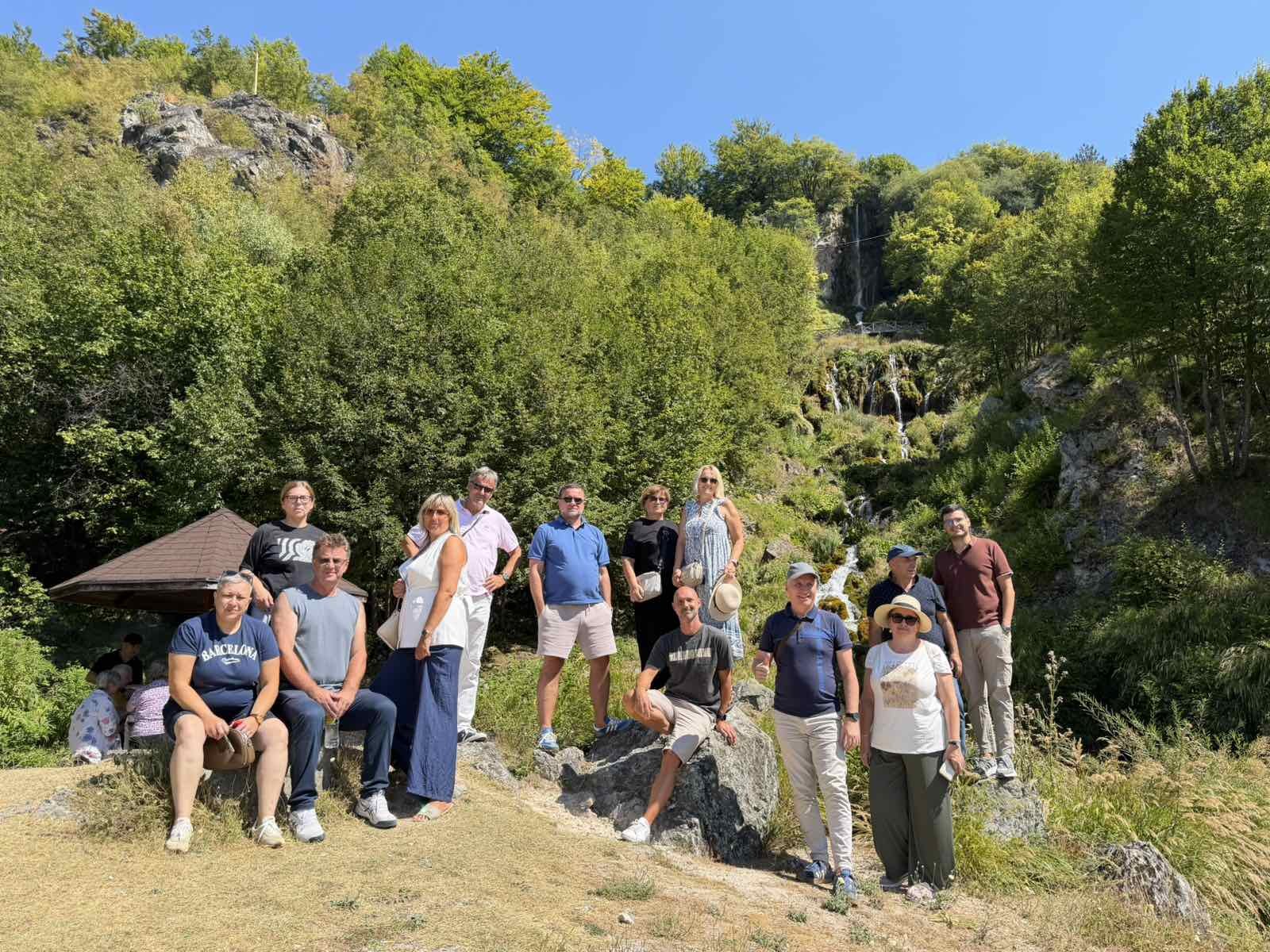
From 2 to 5 September 2026, PET - represented by Marko Nedeljković and Bojan Gajić - co-organized a four-day study visit to Užice, Zlatibor, Priboj and Prijepolje, bringing together local governments, civil society organisations and experts from Bosnia and Herzegovina and Serbia to exchange experience on local energy transition, environmental protection and sustainable community development.
The visit built on cooperation established in April, when representatives of Serbian local governments and PET took part in a regional gathering in Teslić, Bosnia and Herzegovina. This return visit allowed participants to continue that conversation while exploring practical solutions already implemented by local communities in Serbia.
Užice: Energy Transition in Focus
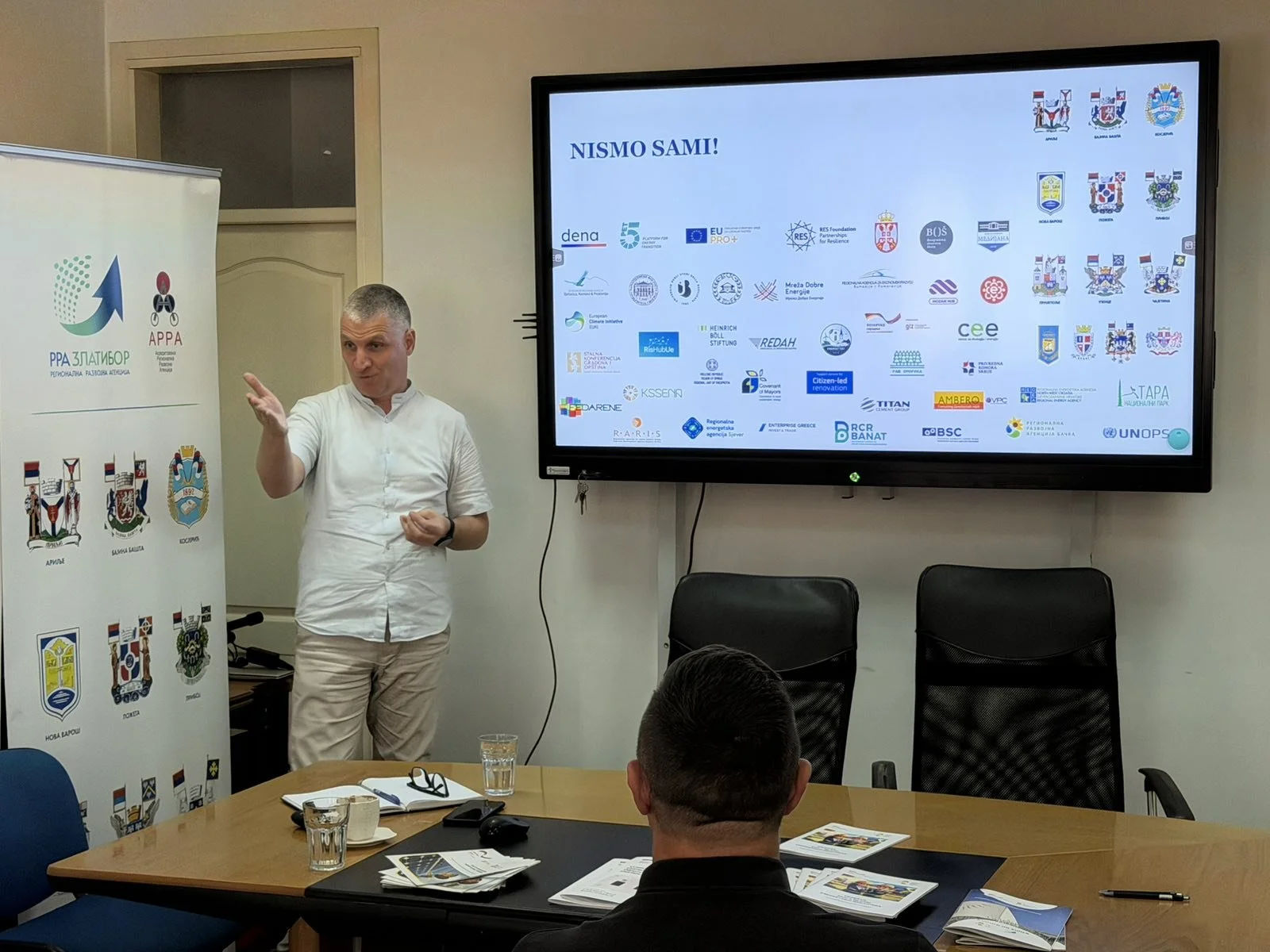
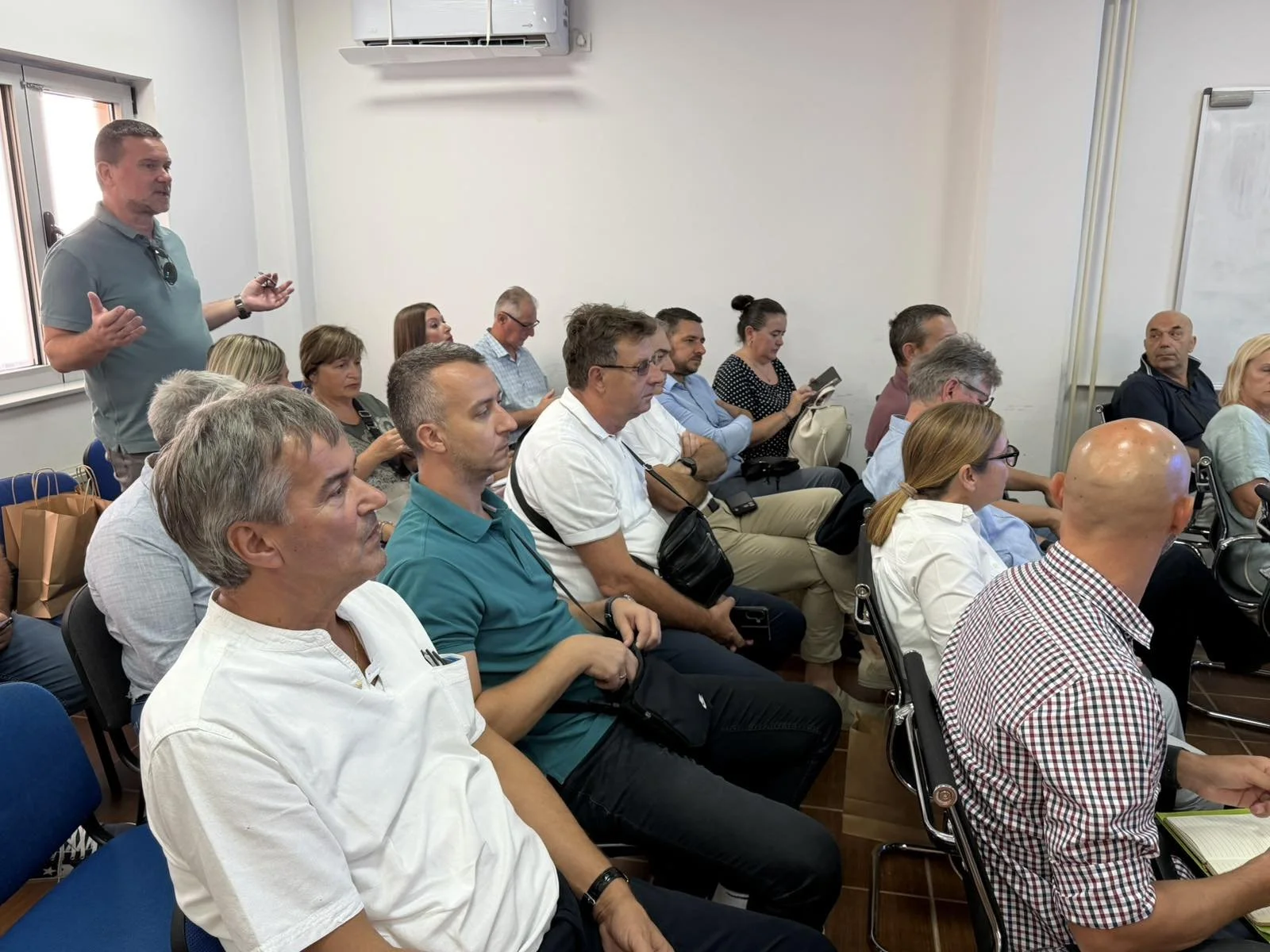
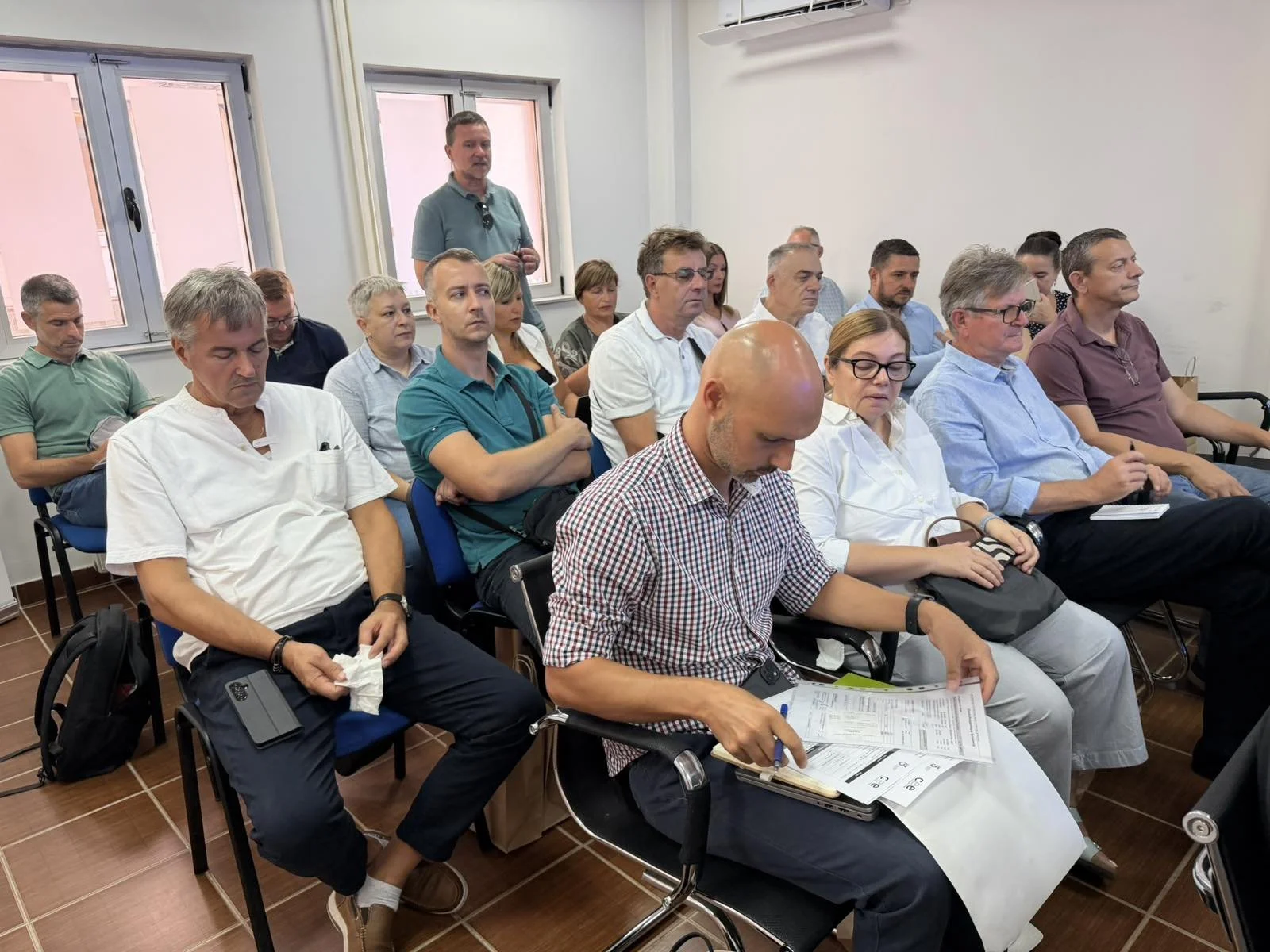
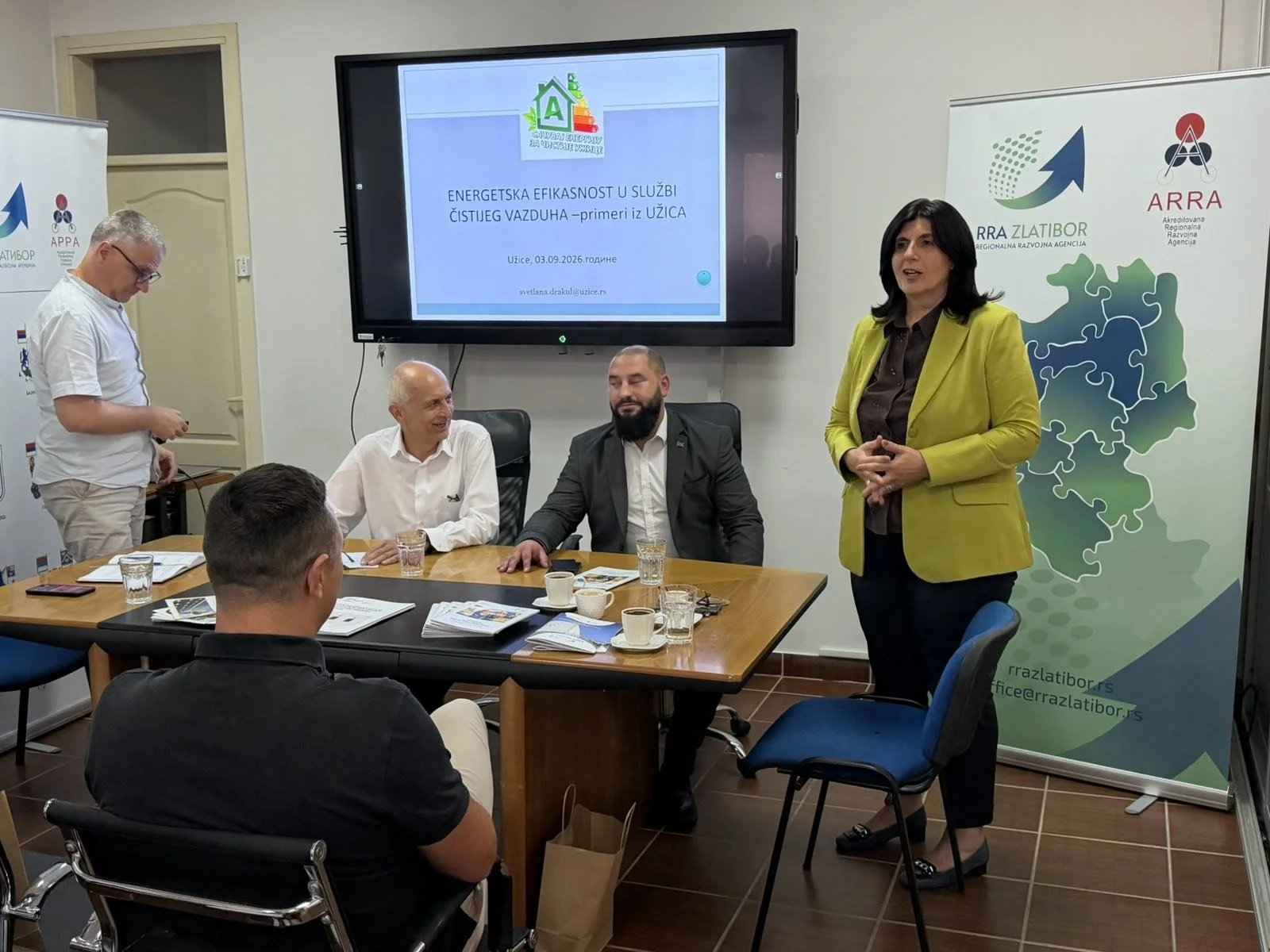
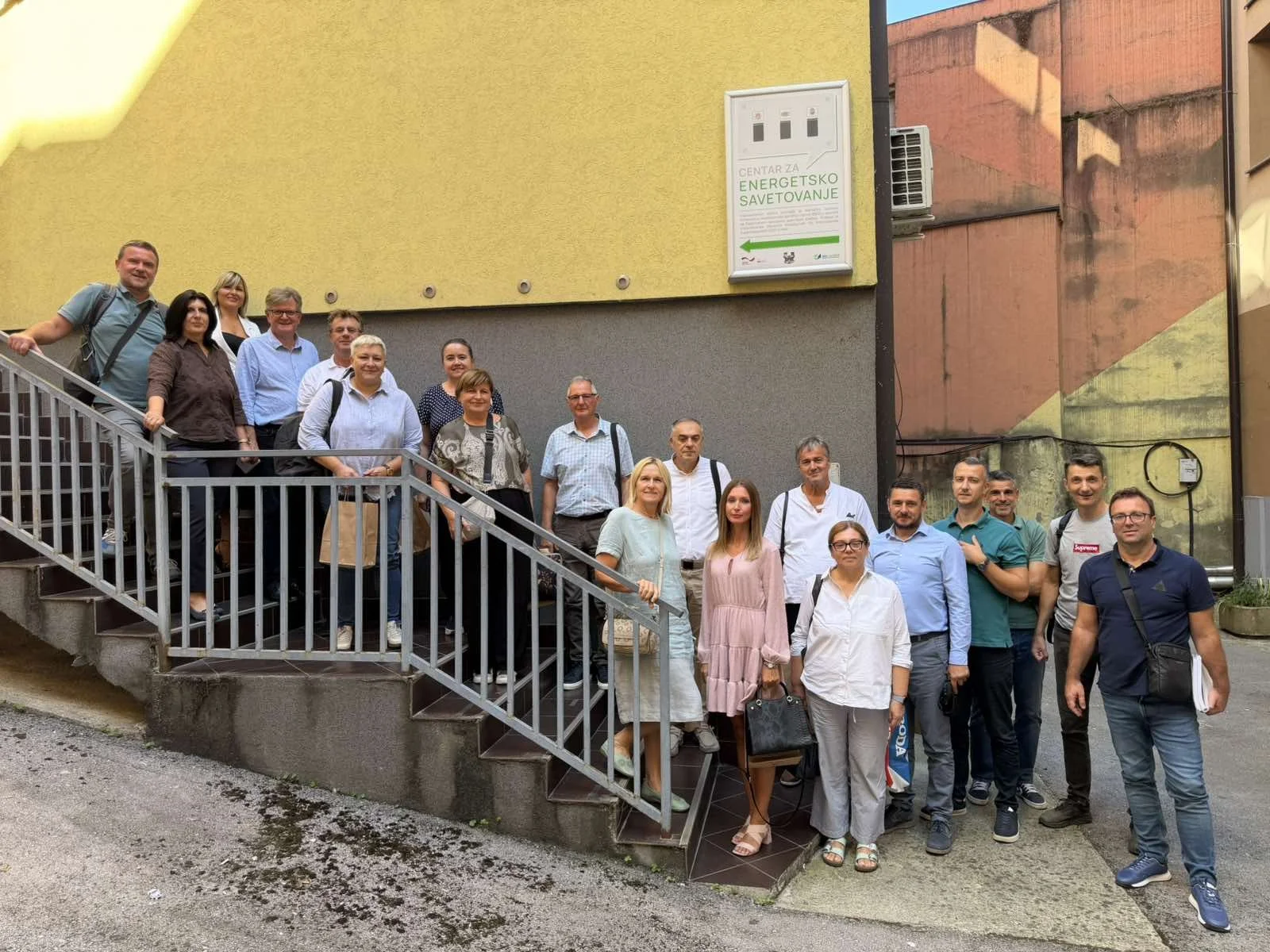
The programme opened in Užice, with visits to the Energy Advisory Centre and the Zlatibor Regional Development Agency. Participants discussed the current state of the energy transition in the Western Balkans and exchanged experiences from Bosnia and Herzegovina, Užice, Niš, the Municipality of Medijana and other Serbian local communities - highlighting the role of local governments, civil society and citizens in driving the transition forward.
Zlatibor: Waste Management Innovation
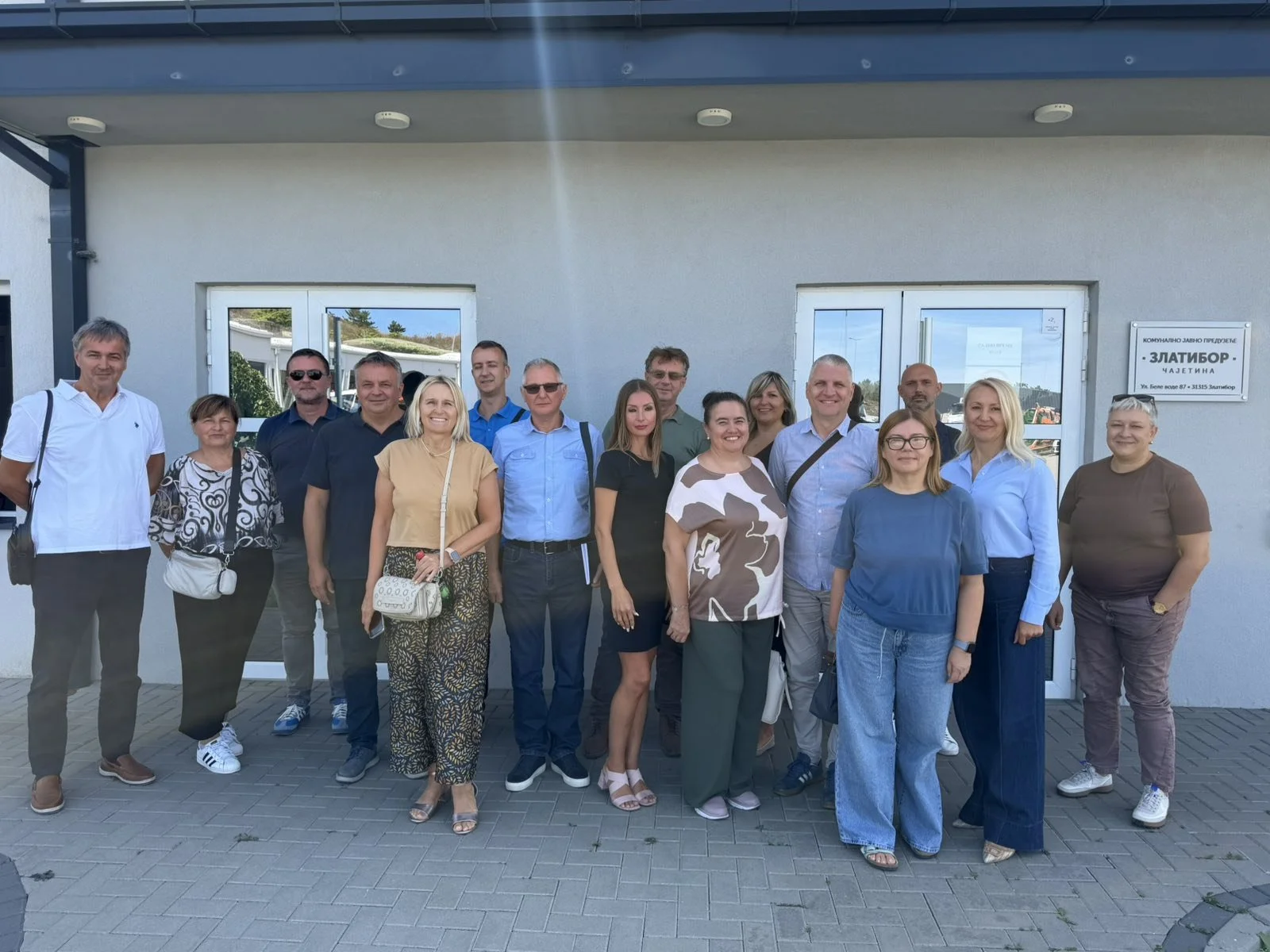
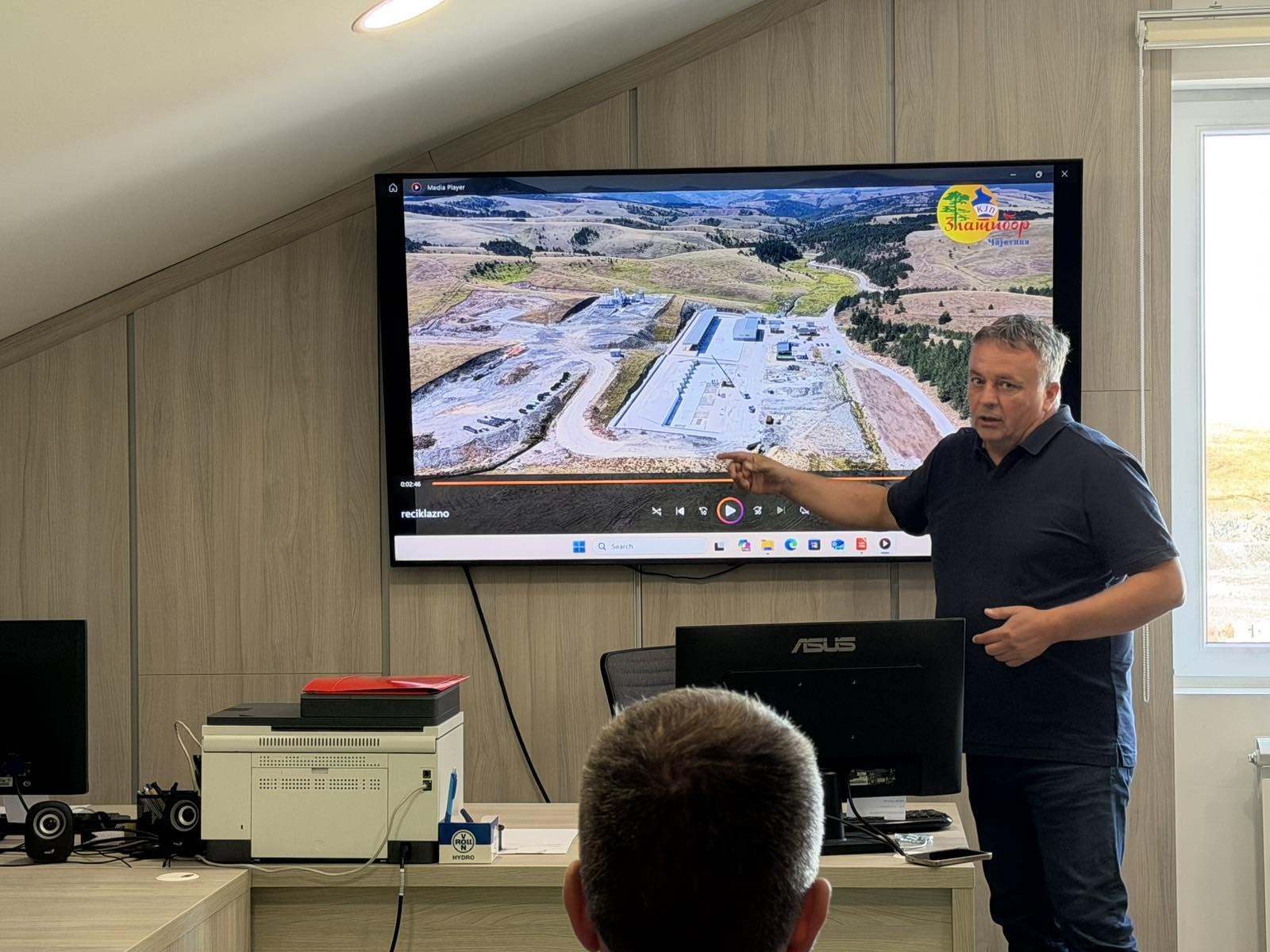
At KJP Zlatibor, participants learned about innovative approaches to waste separation, collection and disposal in the Municipality of Čajetina, including a new recycling centre currently under construction and plans to further improve the local waste system.
Priboj: Biomass District Heating
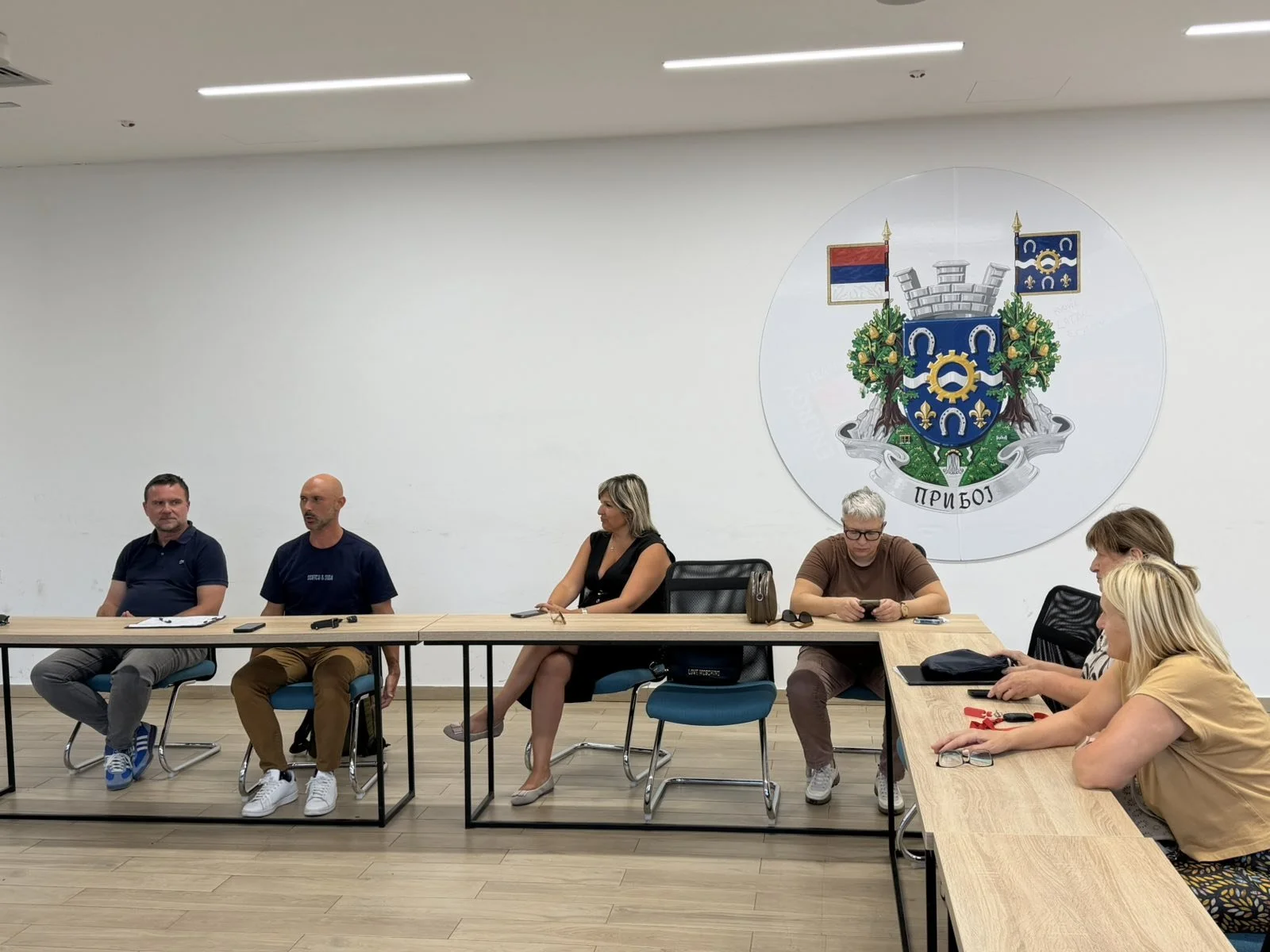
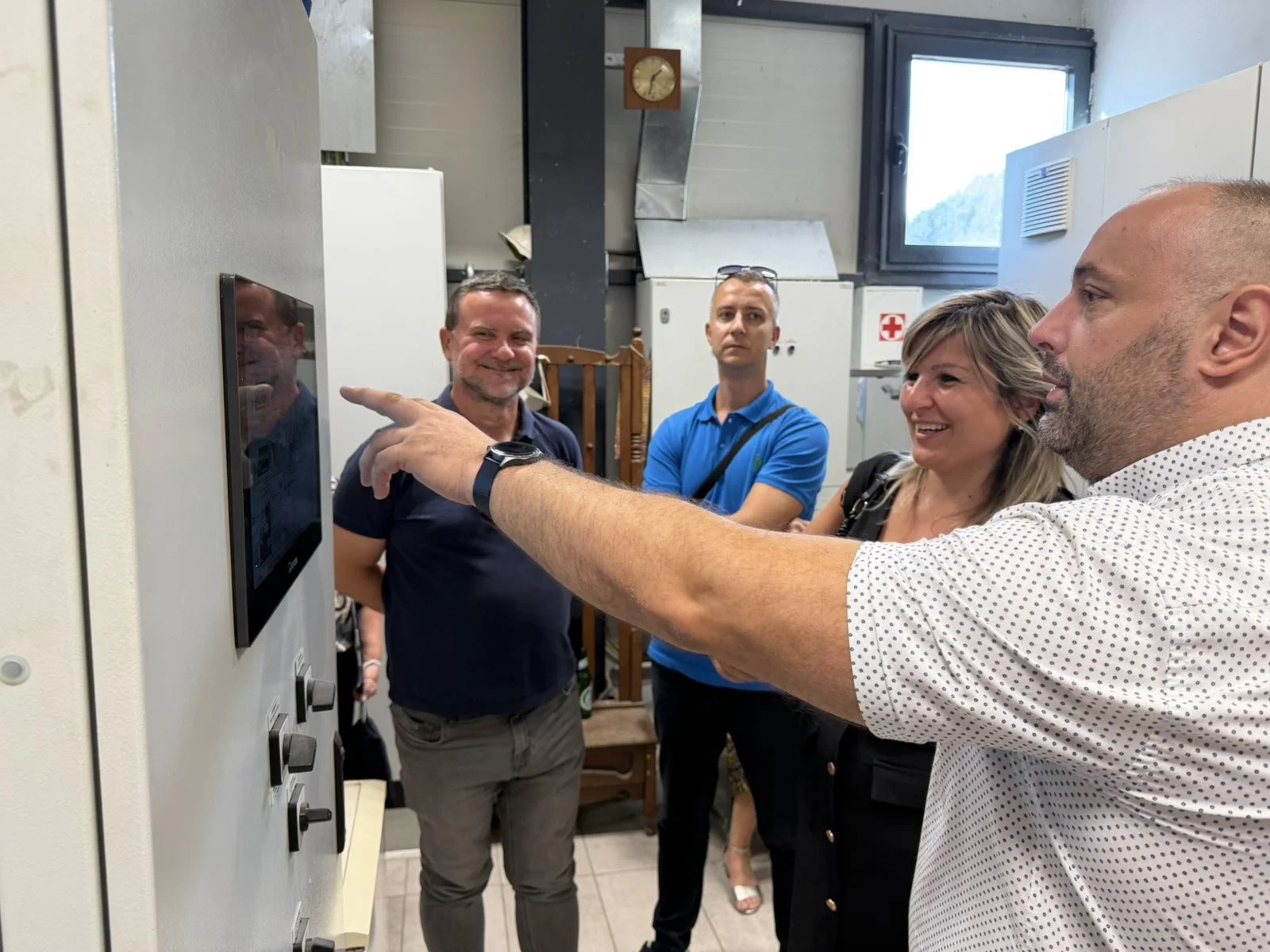
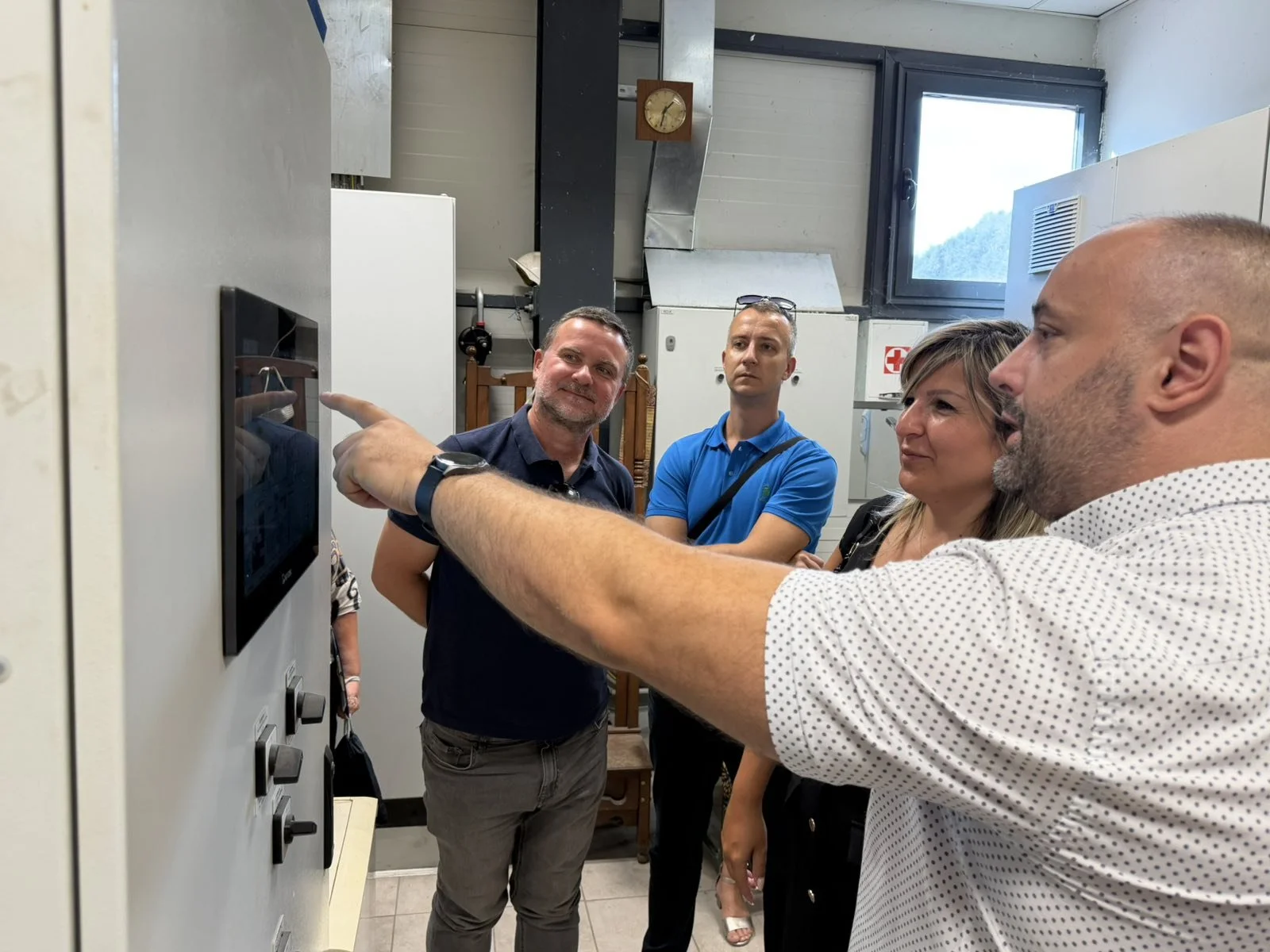
In Priboj, the group explored the municipality's district heating experience, visiting a biomass heating plant that runs entirely on wood chips - a practical example of how locally available renewable resources can replace fossil fuels for a more sustainable, reliable heating system.
Sopotnica: Solar Power for Ecotourism
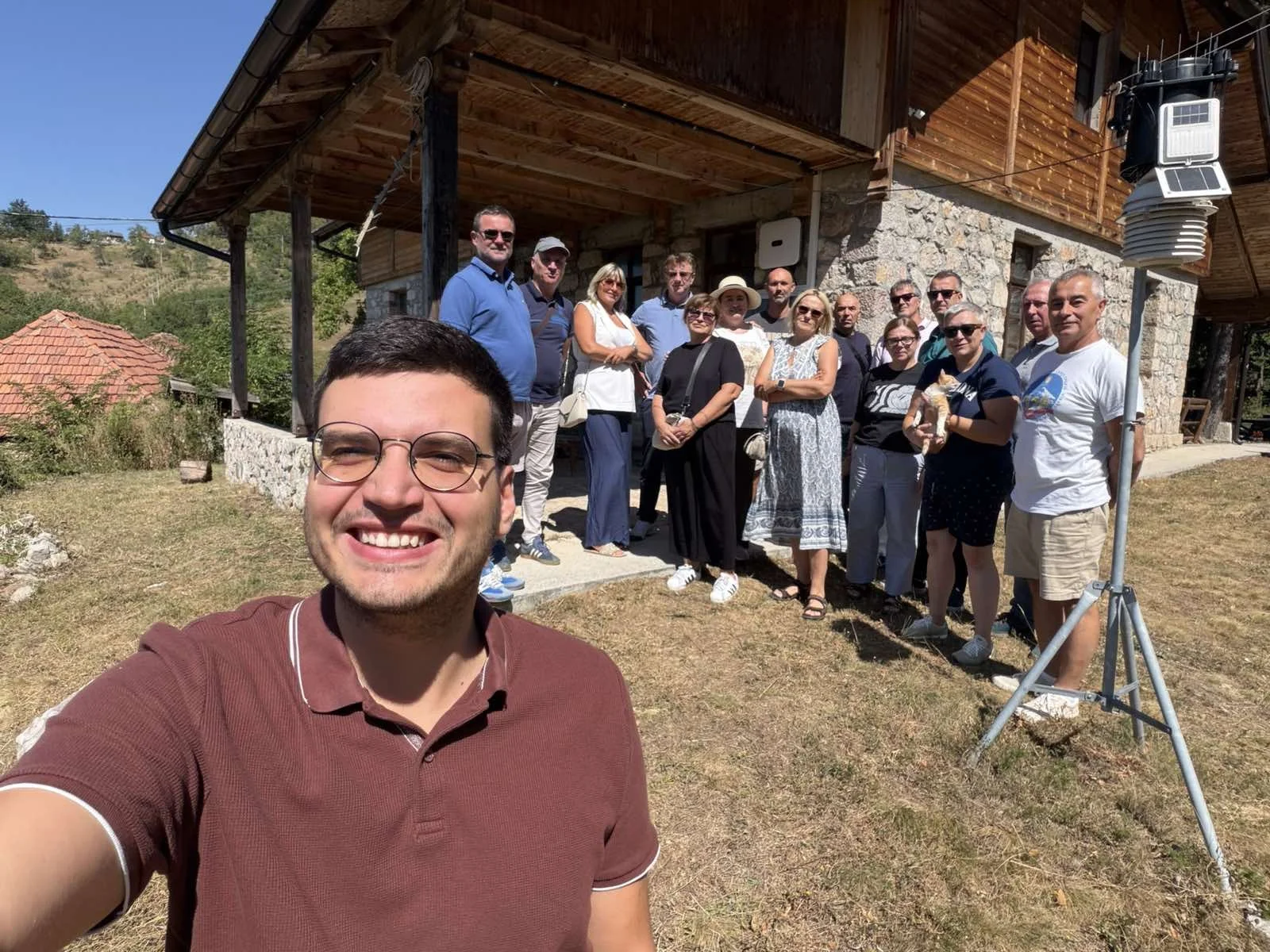
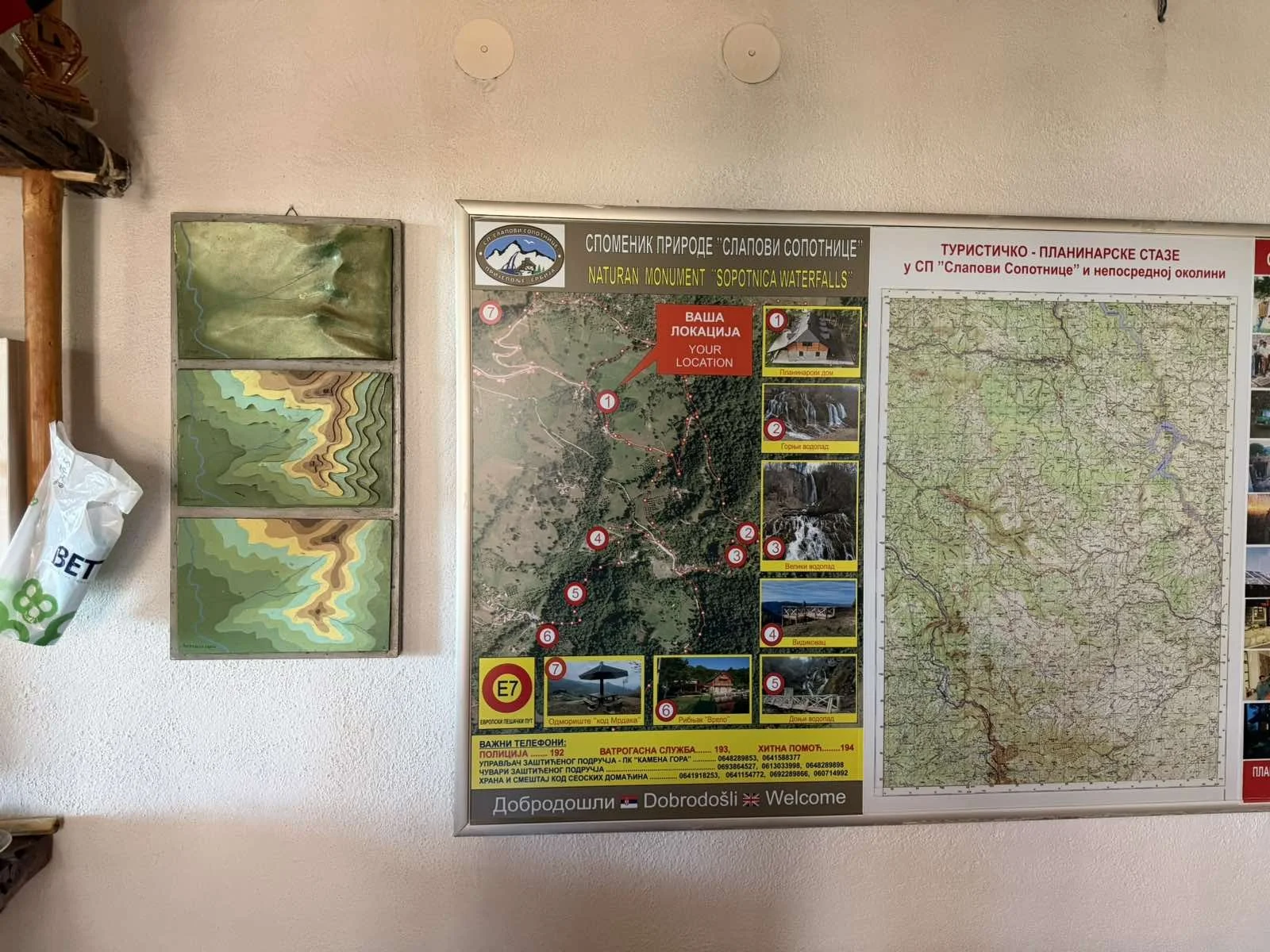
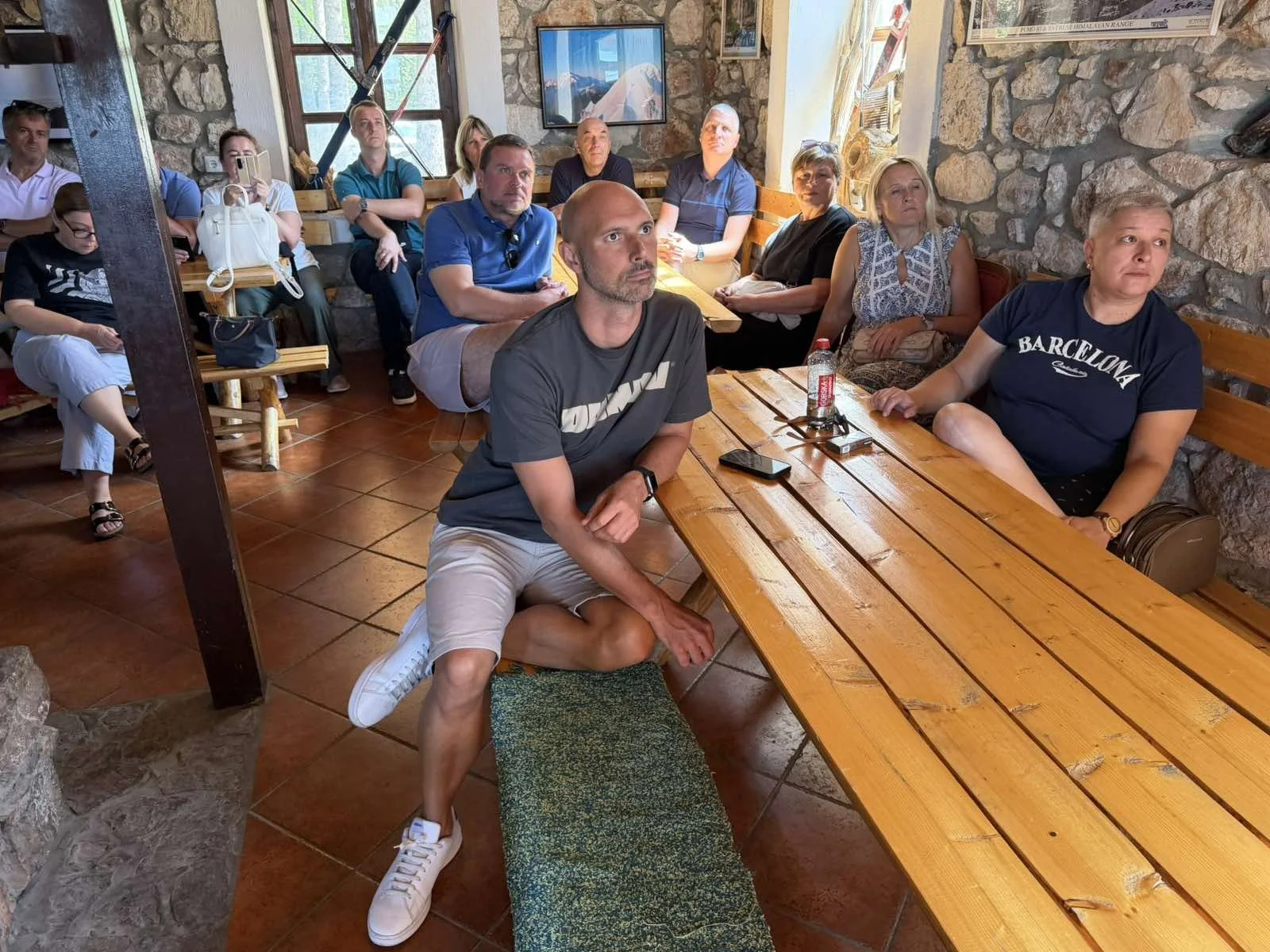
The final stop took participants to the village of Sopotnica near Prijepolje, to a mountain lodge managed by the Kamena Gora Mountaineering Club. Its solar installation offered a concrete example of how renewable energy can support ecotourism and sustainable development in rural communities.
A Model for Regional Cooperation
The four-day visit confirmed the value of regional cooperation and direct peer-to-peer exchange: solutions already delivering results in one community can offer valuable knowledge and encouragement to others across the region as they shape their own energy transition path. The study visit was supported by the Heinrich Böll Foundation's offices in Belgrade and Sarajevo.