Women and Energy: The "Wow Effect" That Resonated in Portugal
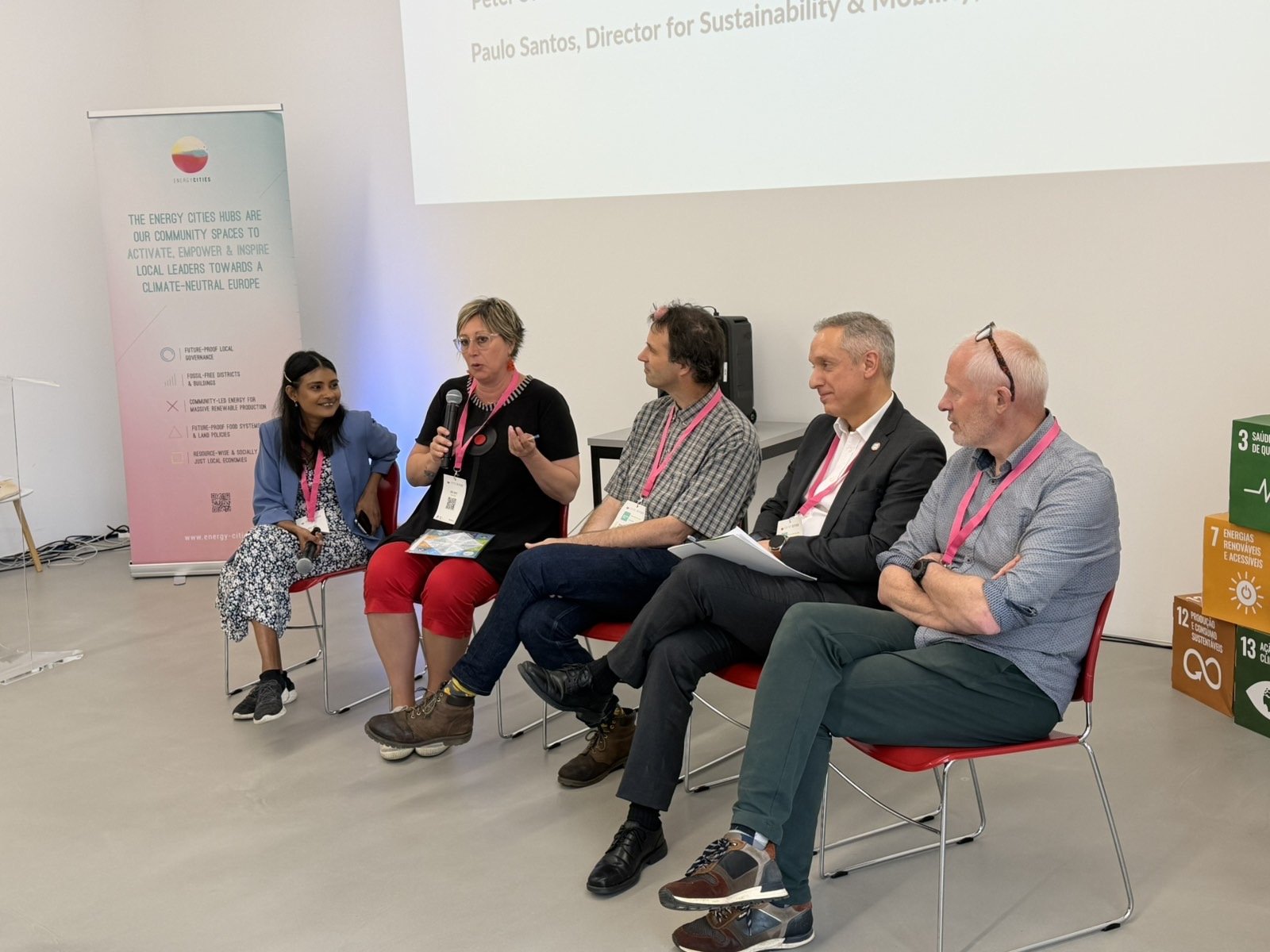
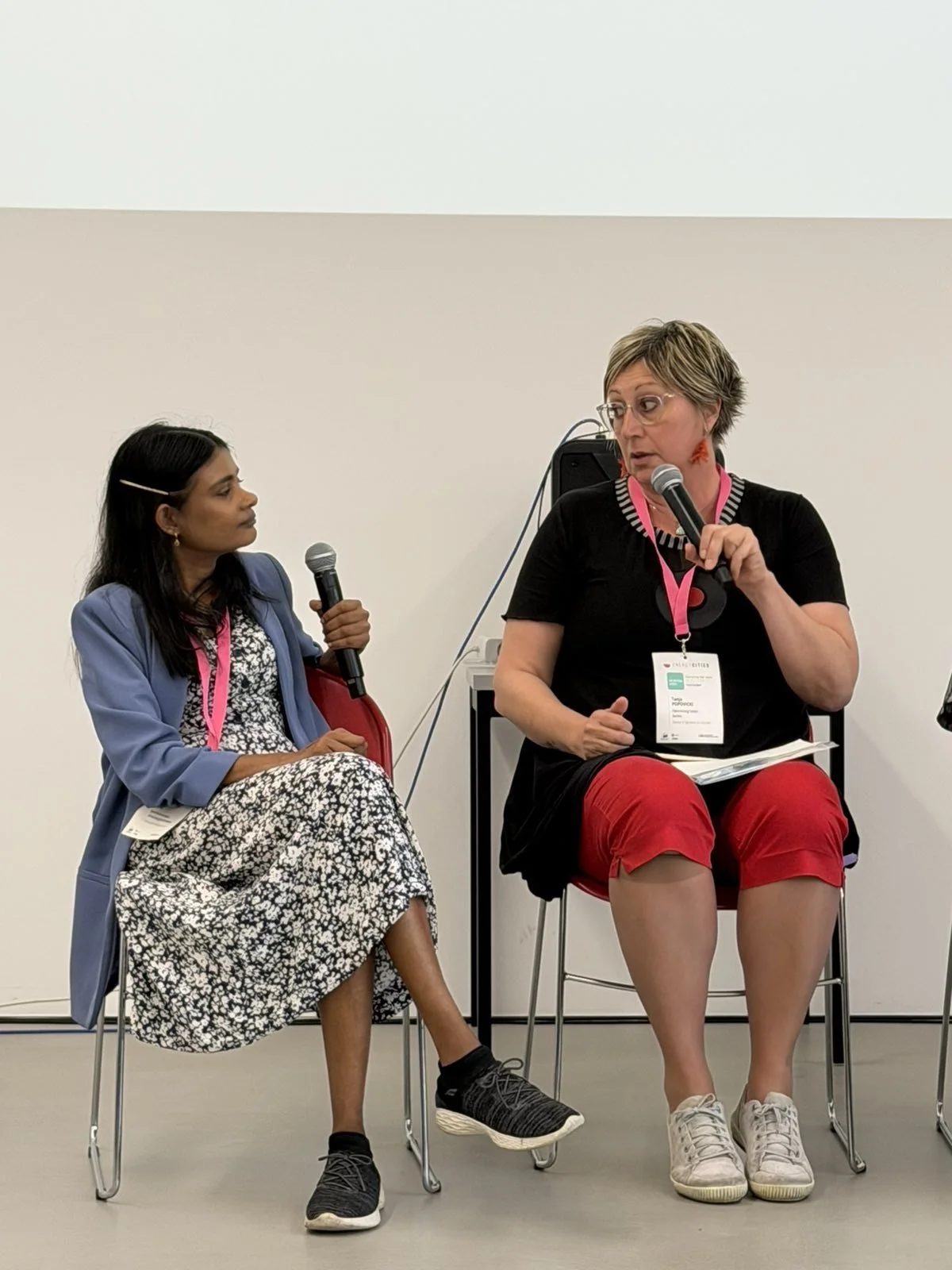
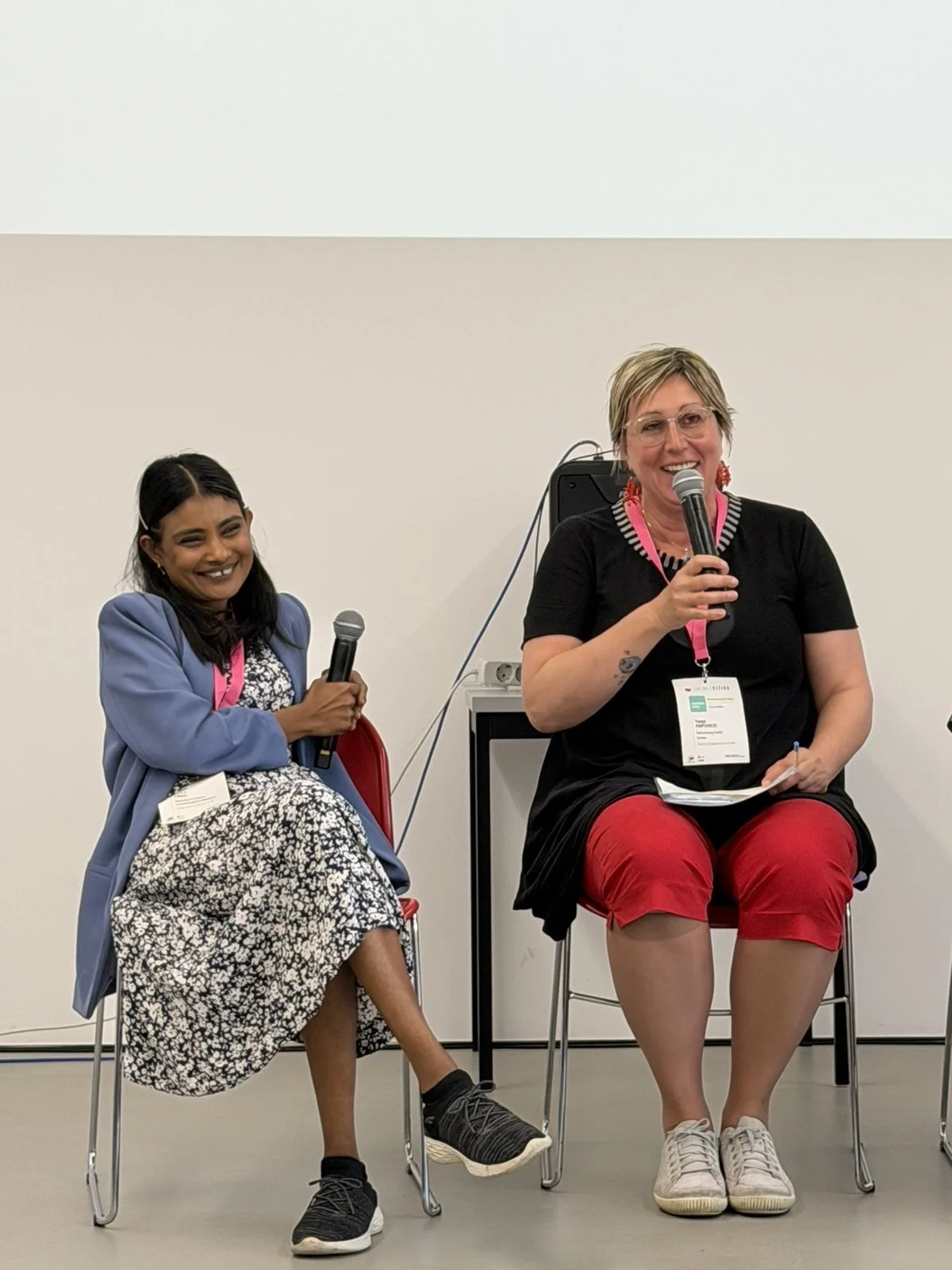
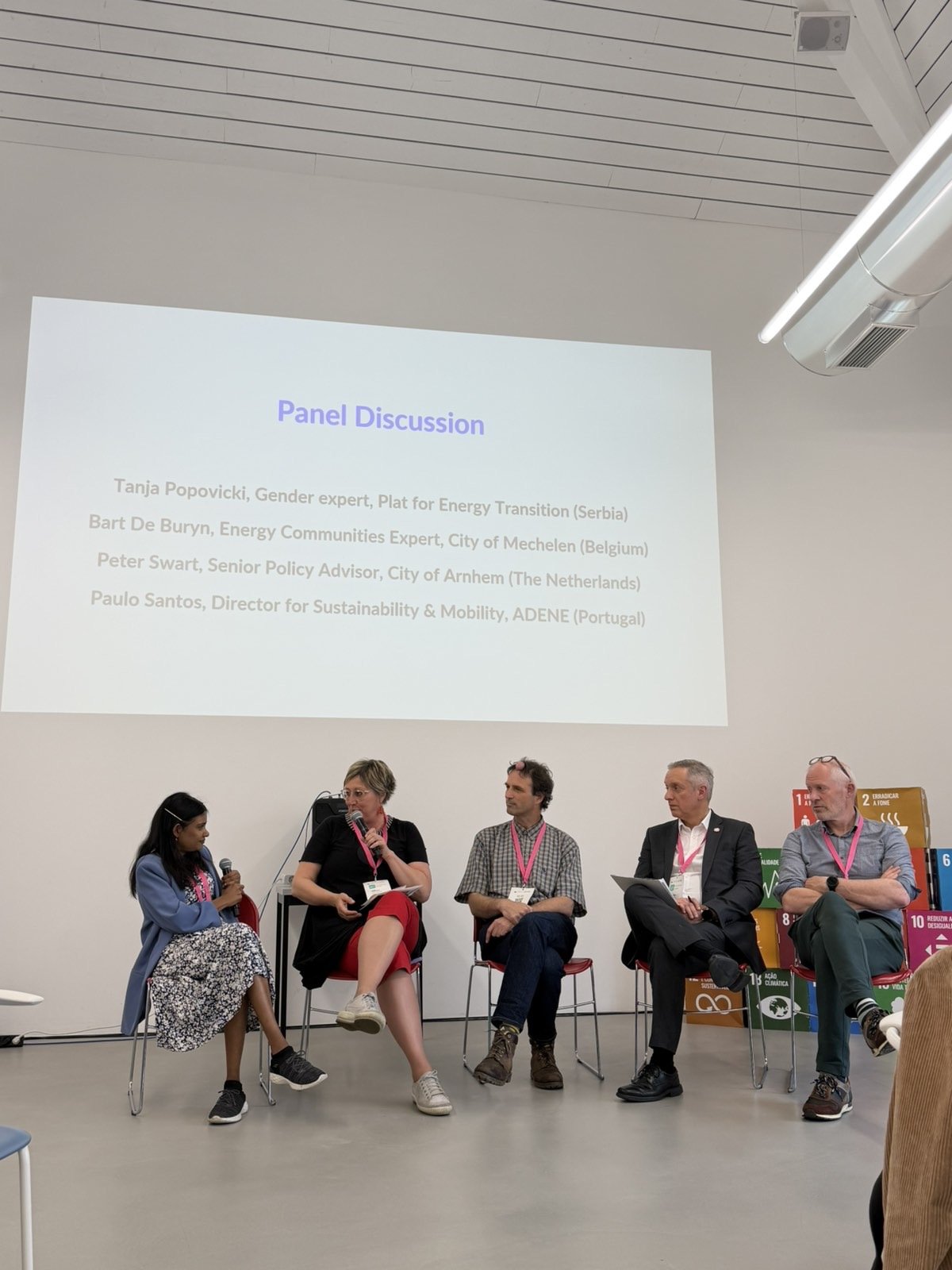
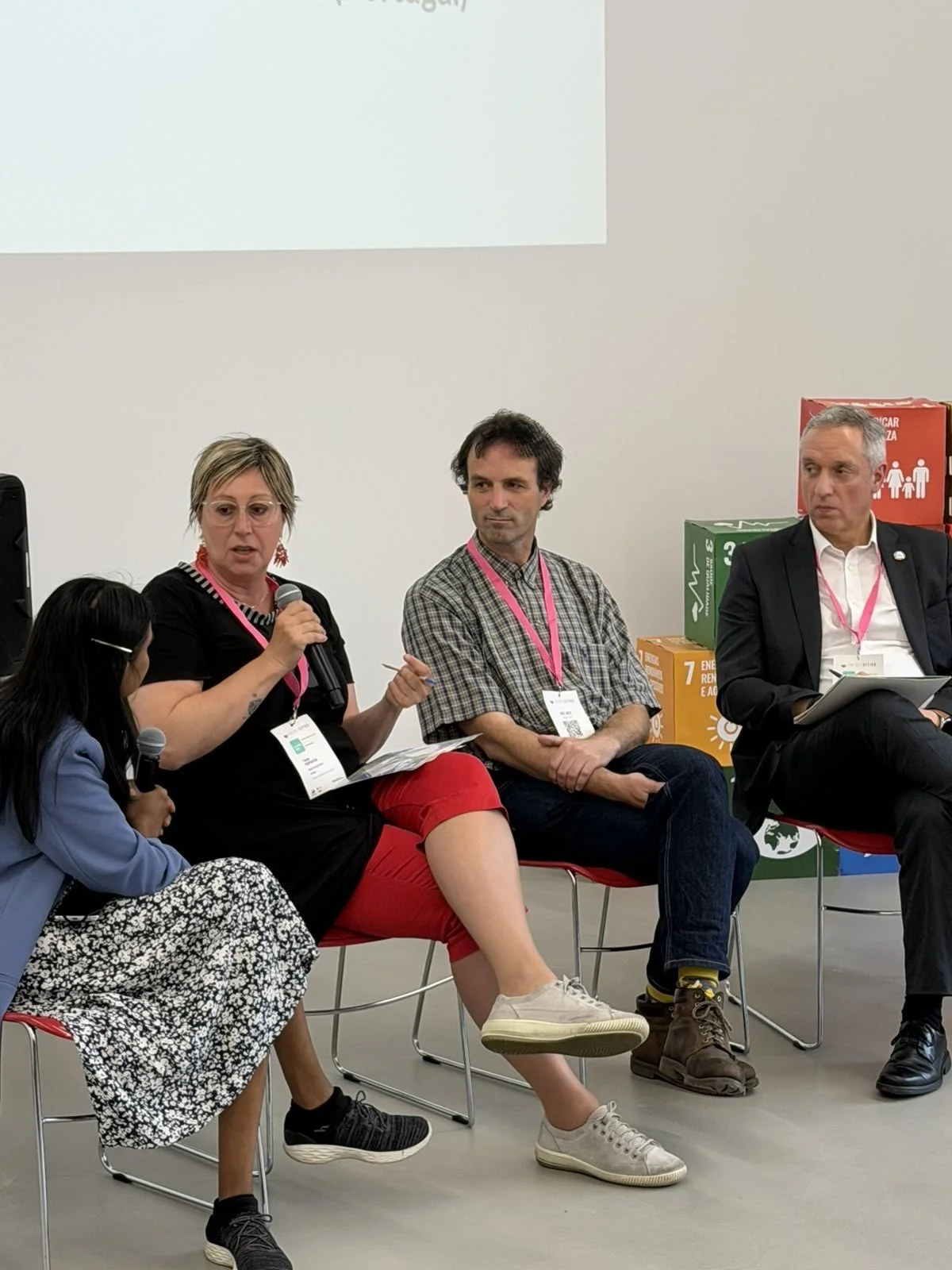
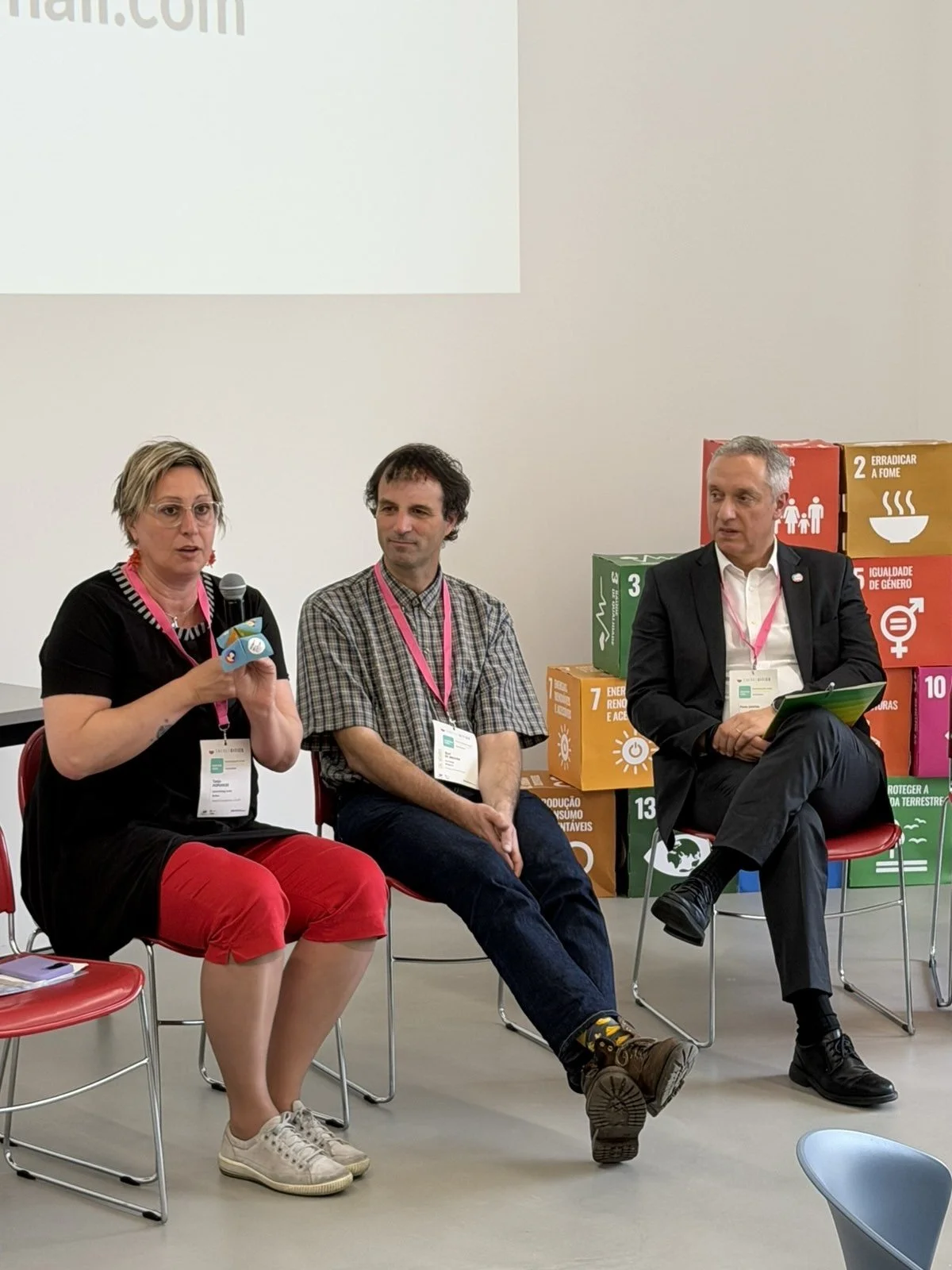
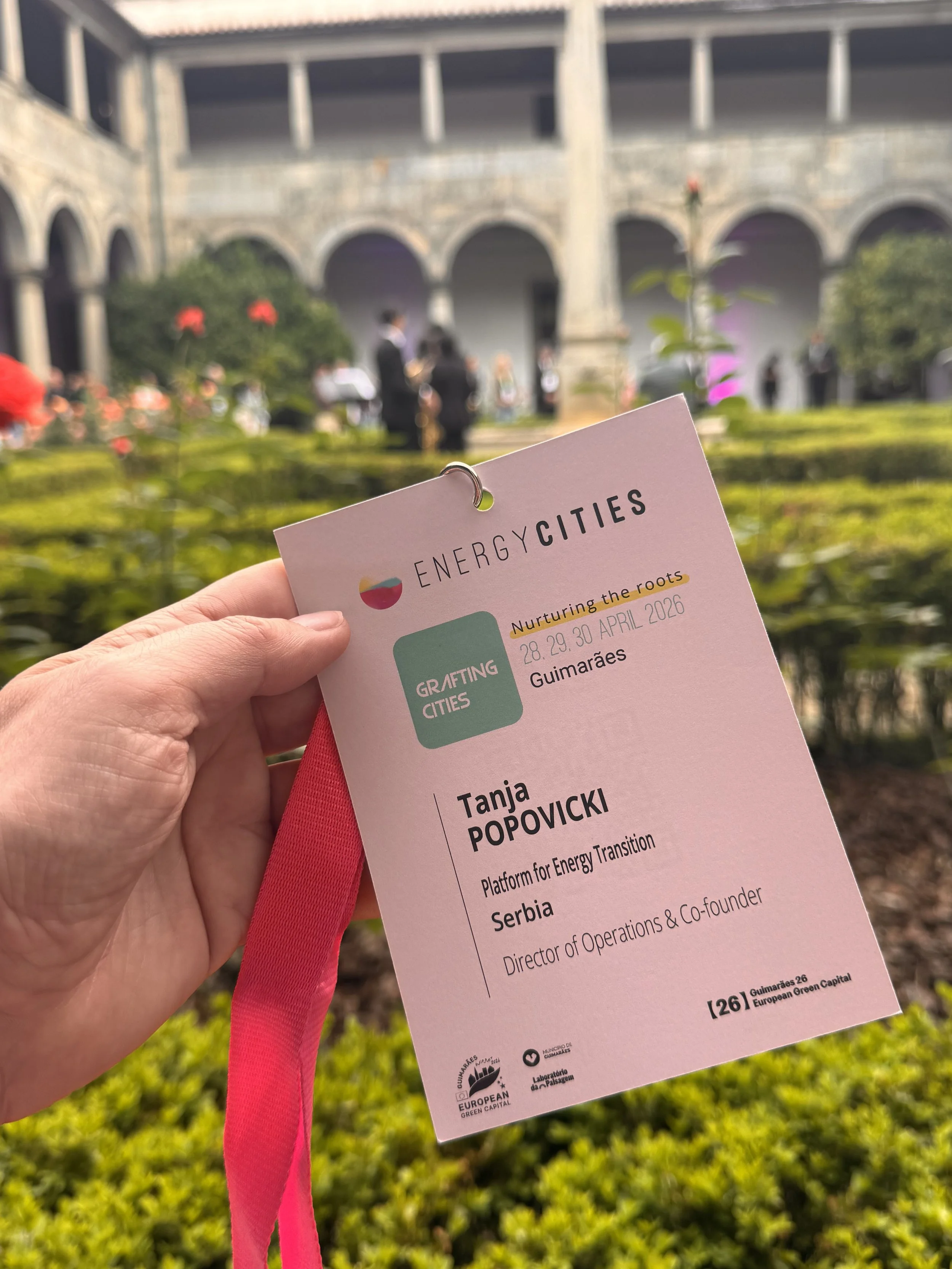
In late April, in the historic city of Guimarães, Tanja Popovicki, our Director of Operations, took the stage at the Energy Cities Annual Forum. She was the only participant from Serbia, and one of the rare voices to bring gender equality into the room not as a statistic, but as a fundamental policy question.
The panel, titled "How Can Fairness Be Embedded Into Municipal Strategies and Local Energy Governance?", was part of Journey J4 "the Pollinator" - one of the forum's thematic tracks exploring how cities and citizens can work together to build an energy transition that leaves no one behind.
Fair for whom?
The opening keynote came from Noora Firaq, Board Director at Westmill Wind Farm Co-operative in the United Kingdom. Her message was simple, but thought-provoking: the concept of "fairness" in energy is not absolute, it depends on many factors, and above all on individual perception. What the system sees as fair, the person experiencing it may feel as anything but.
Tanja describes that opening as a genuine "wow moment" - and it was precisely that effect she brought to her own address.
Energy communities as a tool for inclusion - by design
At the heart of PET's contribution was an argument that rarely gets made explicitly: energy communities are not just a climate solution. They are, by their very structure, a mechanism for empowering women and increasing their meaningful participation in the energy transition and local civic energy initiatives.
The reason lies in the founding principle that underpins every energy community: one member, one vote. This built-in equality means that energy communities, more than almost any other form of local economic organisation, have the potential to level the playing field - for women, for energy-poor households, and for other groups that are consistently underrepresented in energy governance.
Tanja reminded the panel that four billion women make daily decisions about resources and their use every single day, and yet remain largely invisible in energy policy. Women use energy differently, because they have different needs and habits. These differences are not marginal but directly relevant to how energy communities are designed, governed, and experienced. Ignoring them means building systems that work better for some than for others, even when the intention is the opposite.
Reactions that say more than applause
Perhaps the most telling measure of impact wasn't the room - it was the conversations that followed. The Director of Porto's energy agency approached Tanja after the panel and announced that the next cycle of energy efficiency support measures would include gender-sensitive statistics. That is not a small step for a European city.
Many participants said they had never thought about women and energy in that way before.
"It turned out that many European cities hadn't thought about energy this way - and that is both an insight and a signal that there is much more to be done in this direction," Tanja said upon returning.