From Local Examples to a Sustainable Future: School of Energy Transition Held in Gračanica
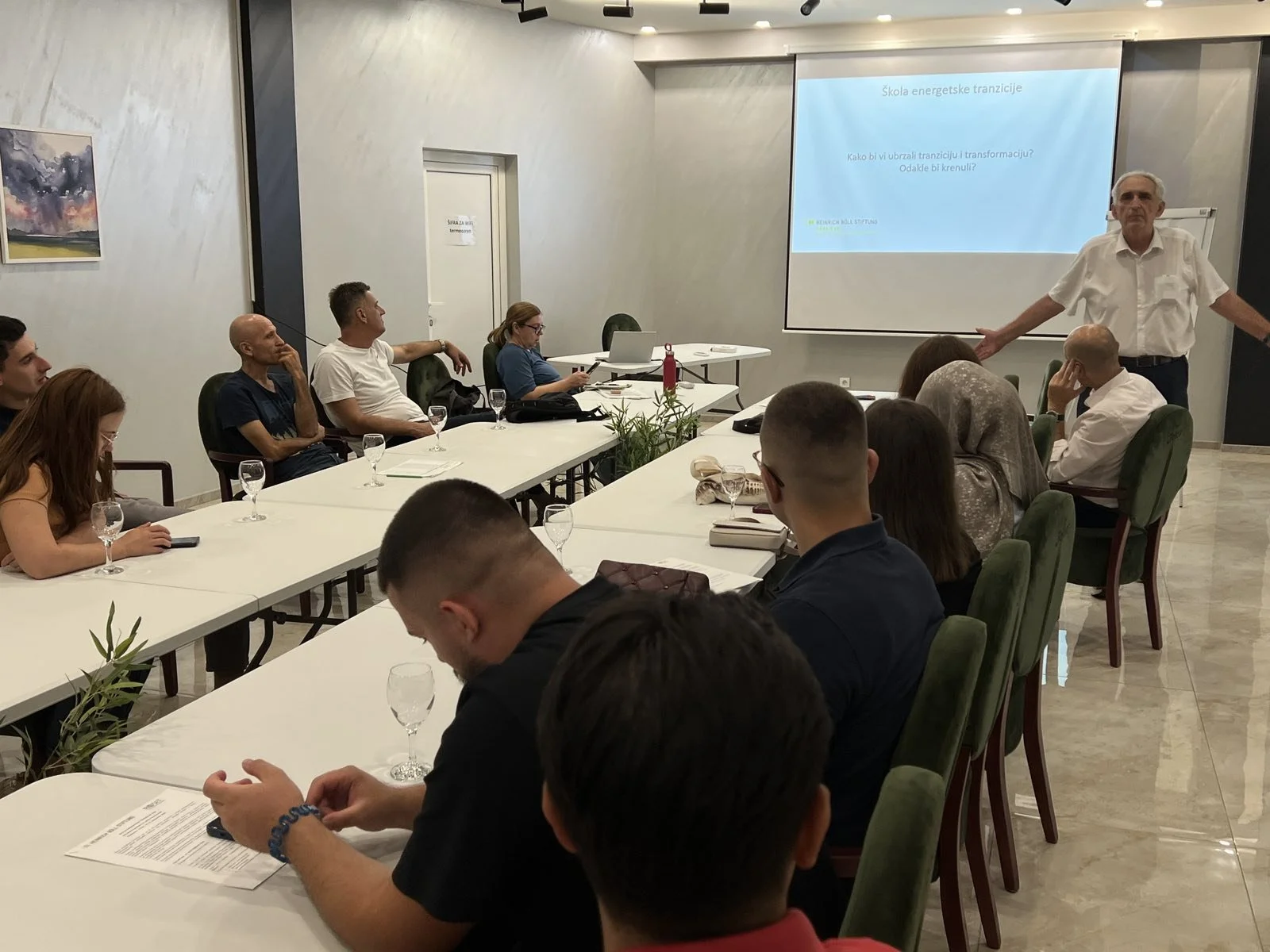
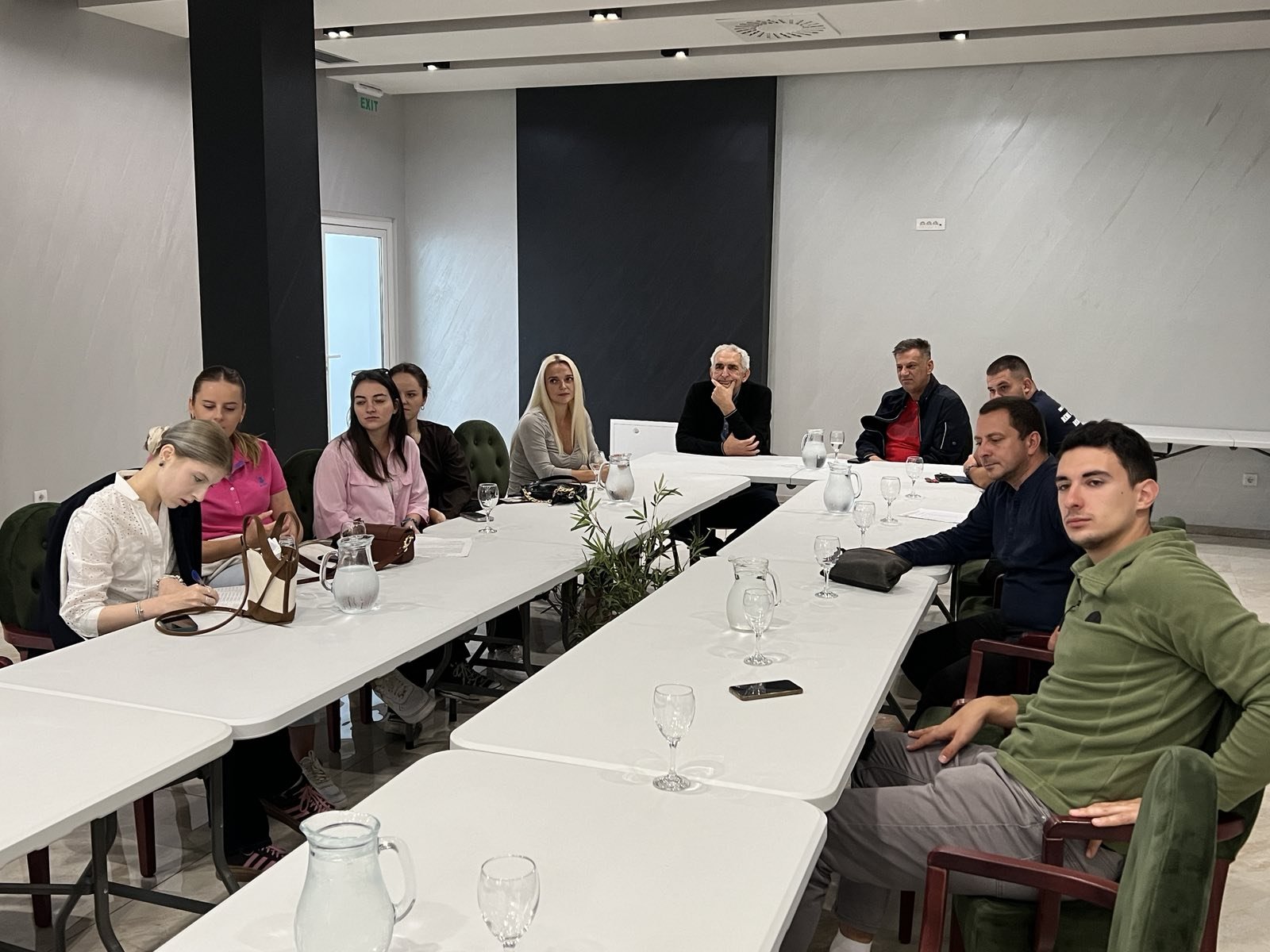
From 10 to 12 September 2026, the Heinrich Böll Stiftung Sarajevo and RESET organised the School of Energy Transition in Gračanica, bringing together young people interested in how the energy transition is already unfolding in local communities, companies and public institutions across Bosnia and Herzegovina.
The School reflects the broader, long-standing cooperation between the Heinrich Böll Stiftung and PET, aimed at strengthening the knowledge and skills of young people in Bosnia and Herzegovina and Serbia on energy transition, climate change and sustainable development. PET took part with two members of its youth community, PET Youth NET, alongside Goran Vučković PhD, and Marko Nedeljković.
Setting the scene
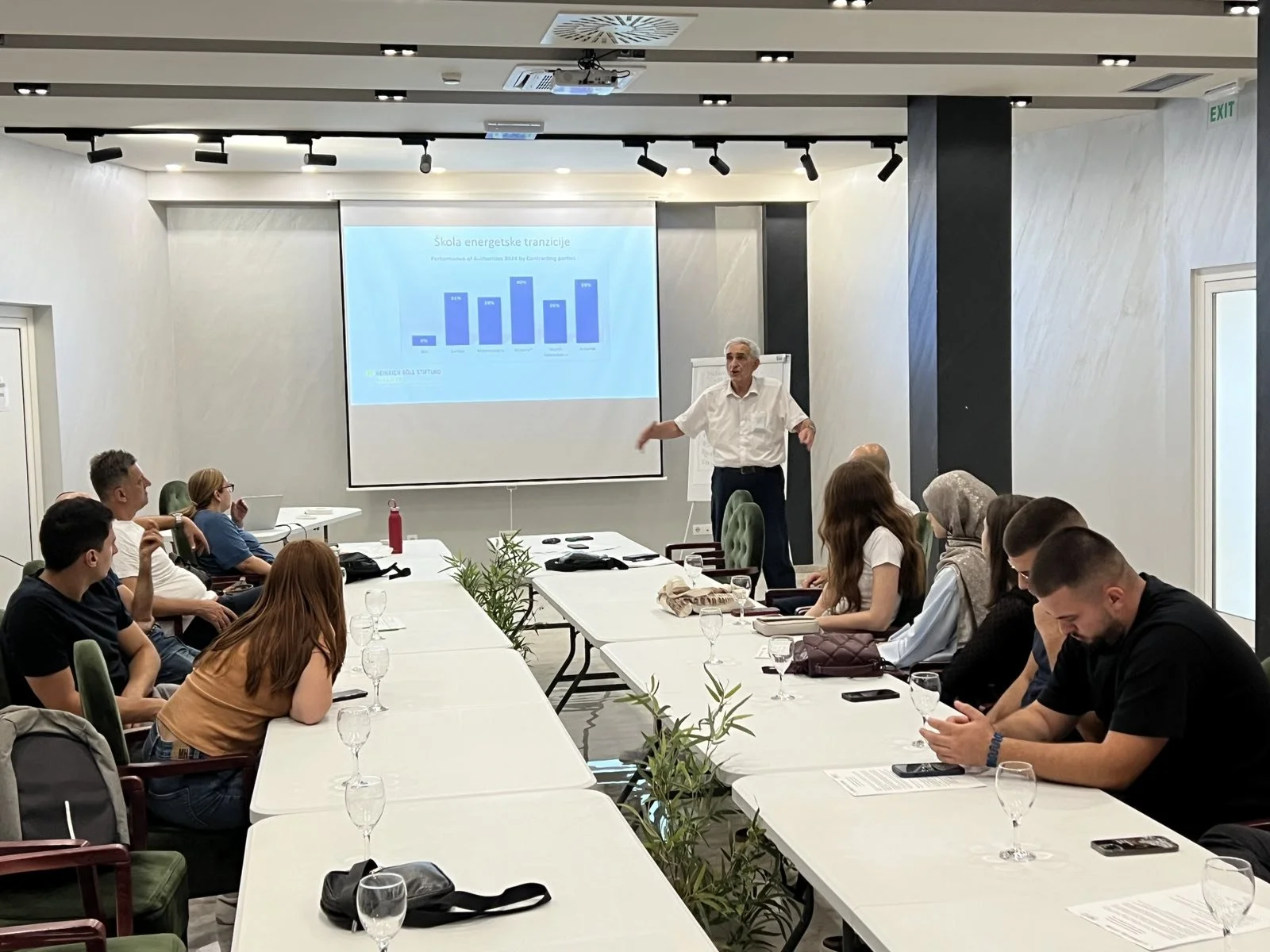
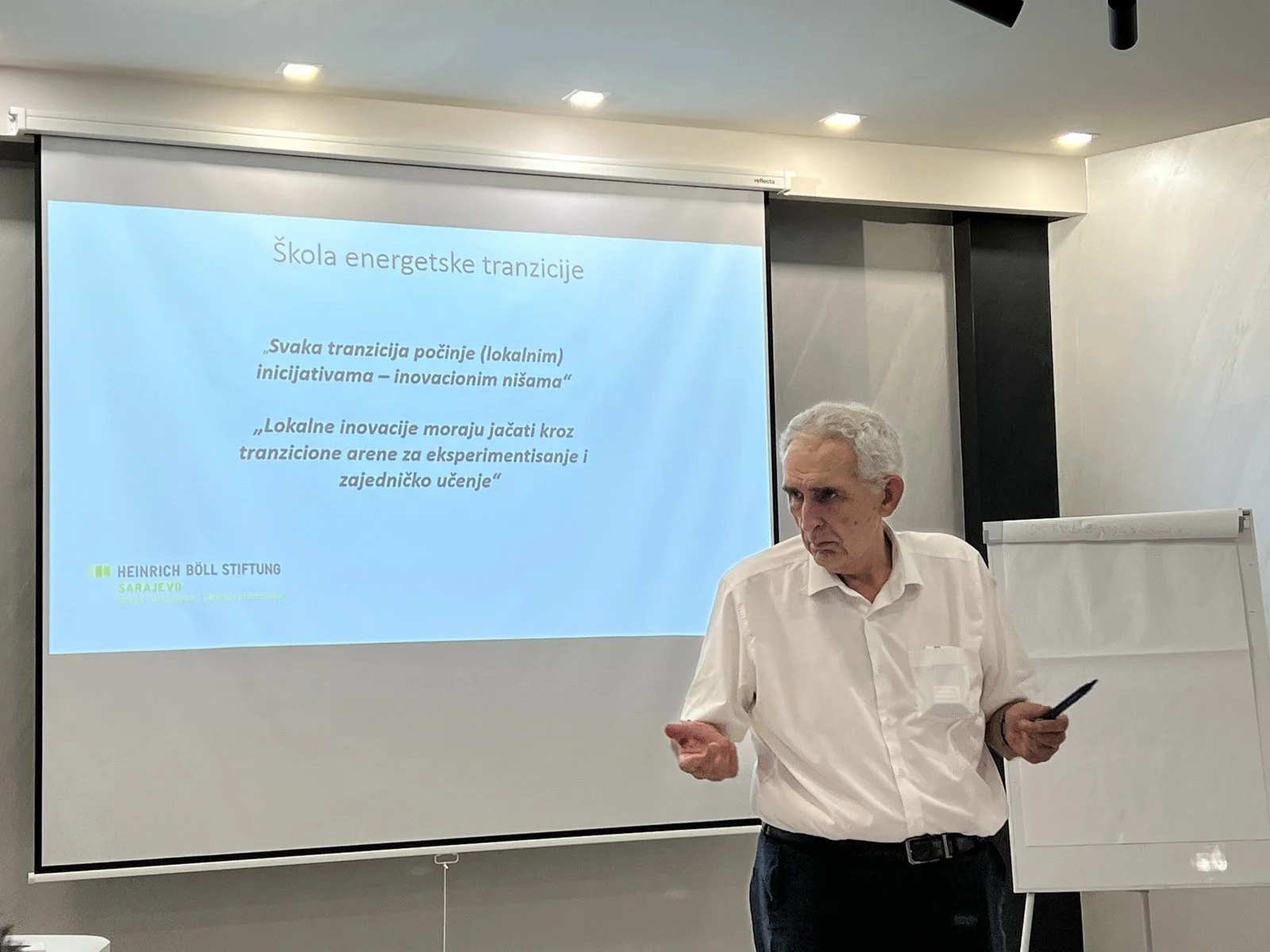
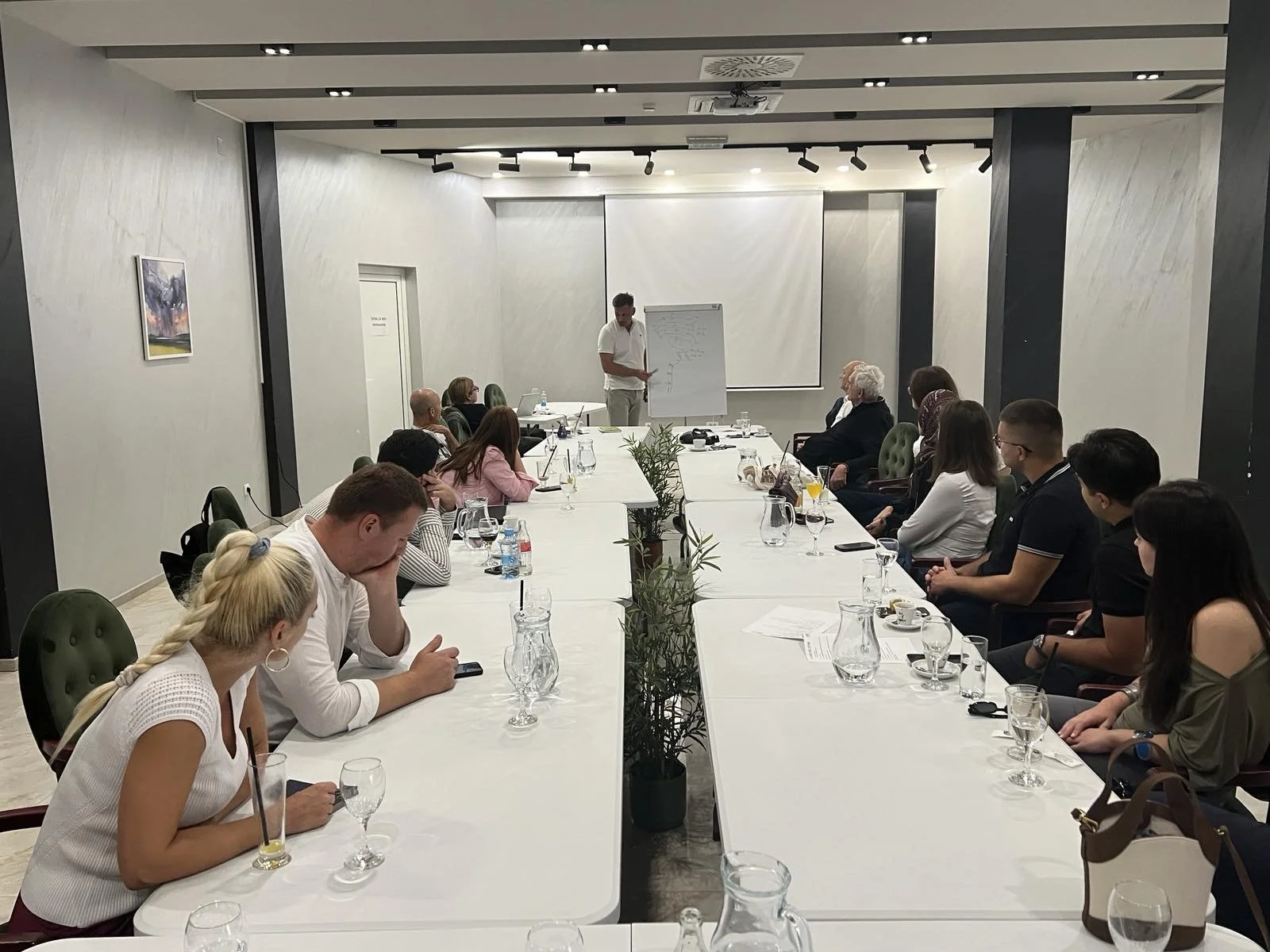
The programme opened with an introductory session led by energy transition expert Damir Miljević, covering the current state of the transition in Bosnia and Herzegovina and the wider region: renewable energy development, energy efficiency, decarbonisation, citizen energy and the role of local communities.
Transition in practice
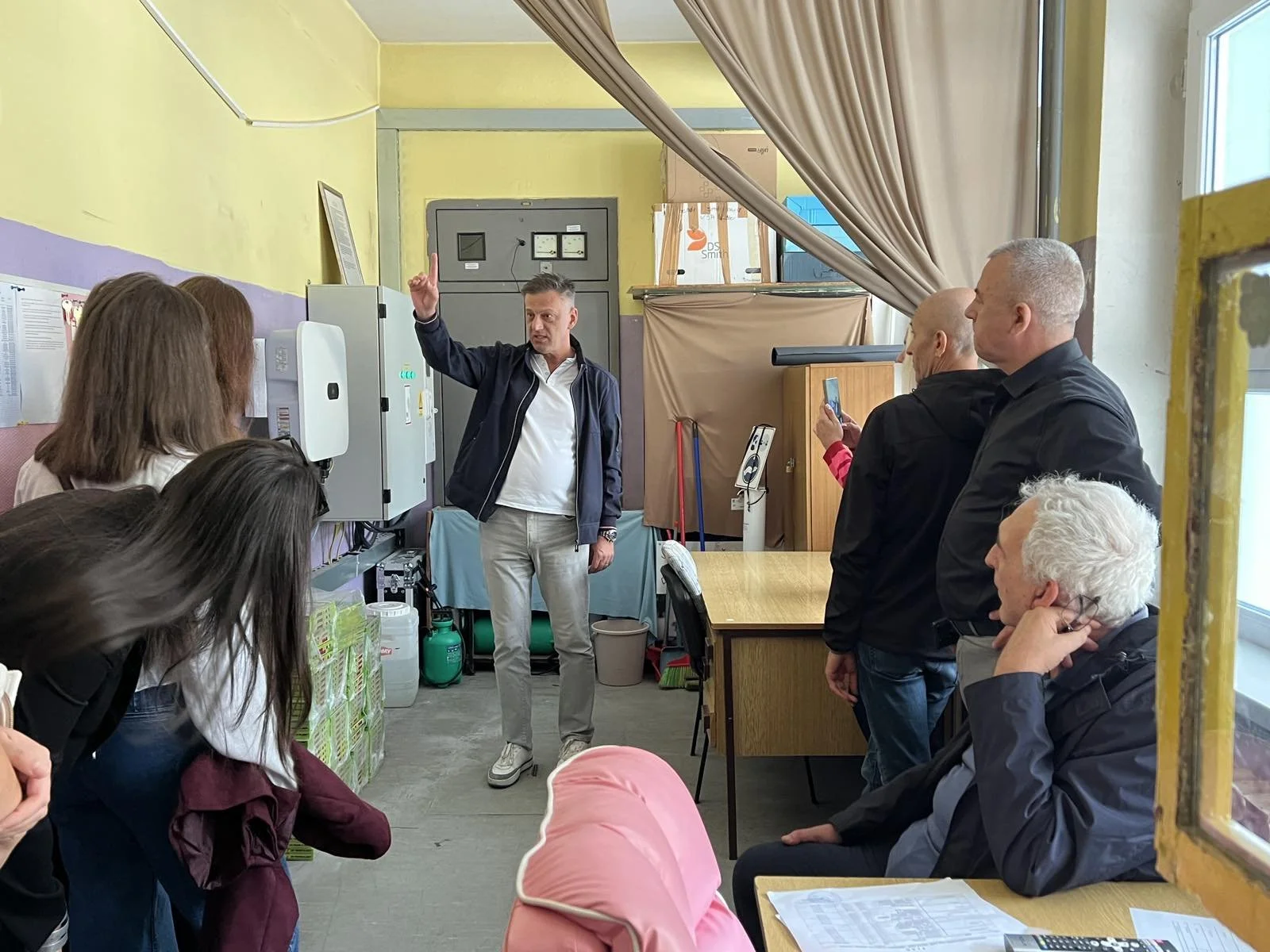
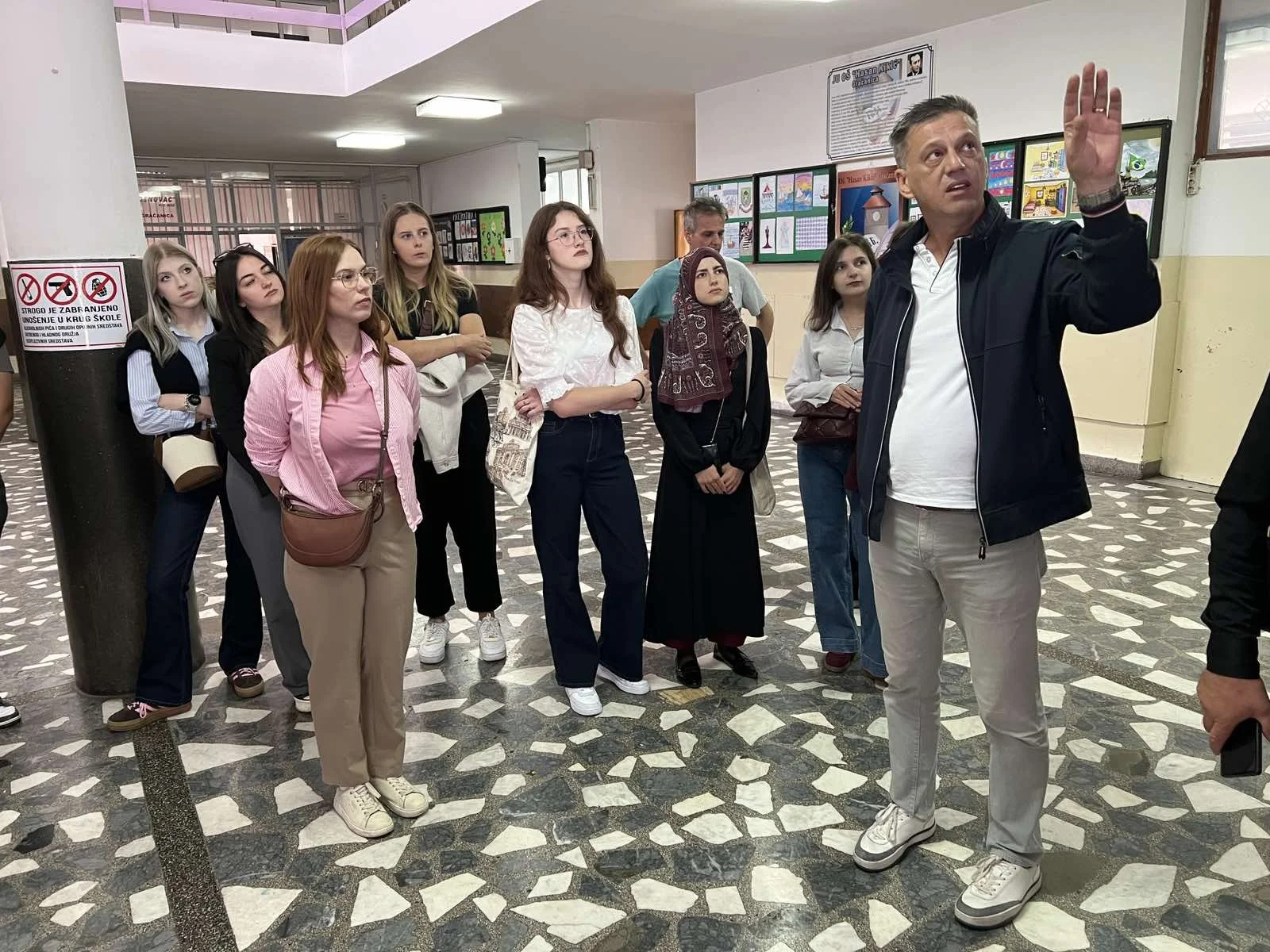
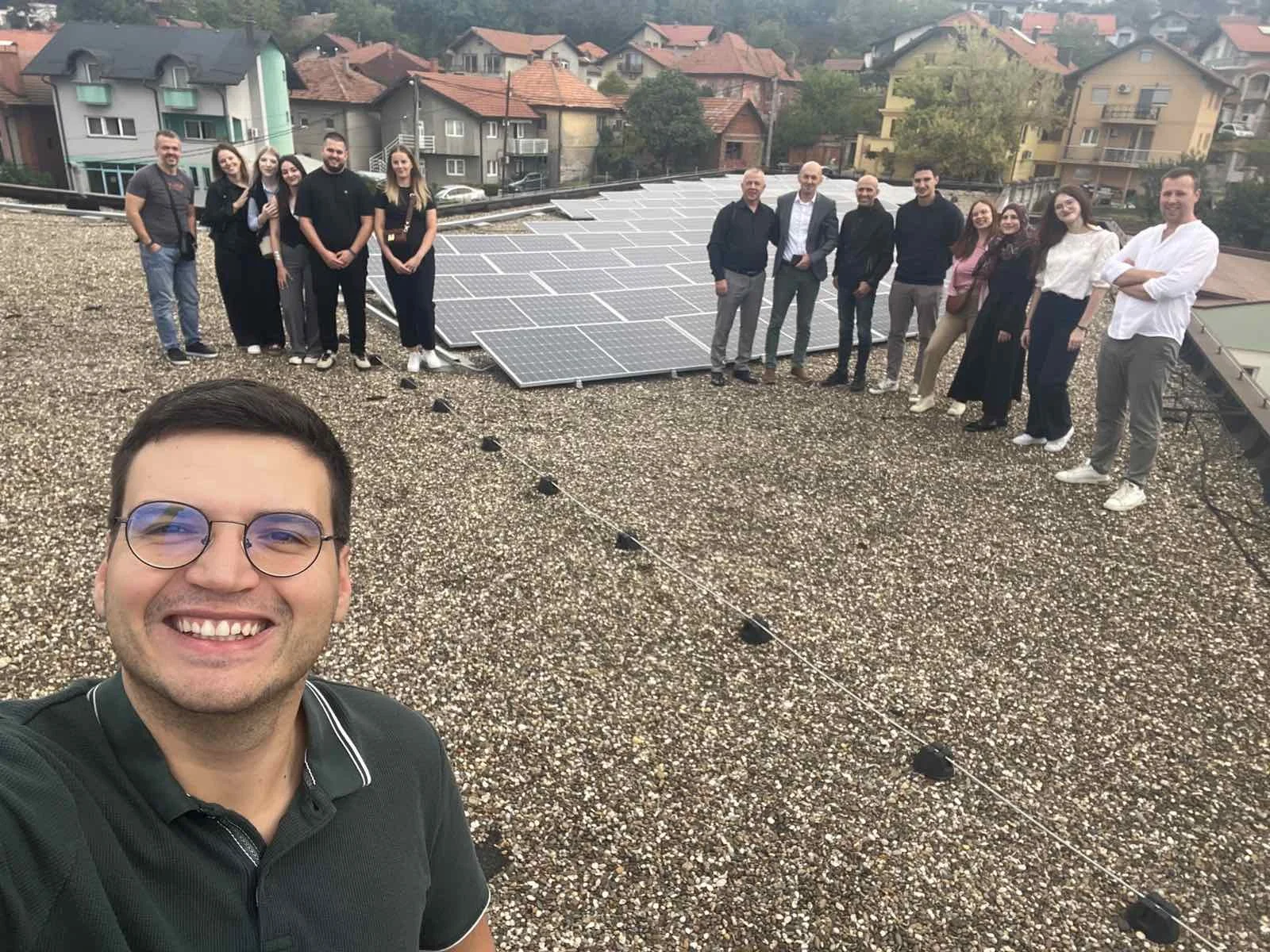
Day two took participants into the field. In Gračanica, they explored the opportunities and challenges local communities face when introducing renewable energy, improving public buildings' energy efficiency and strengthening cooperation between local authorities and businesses.
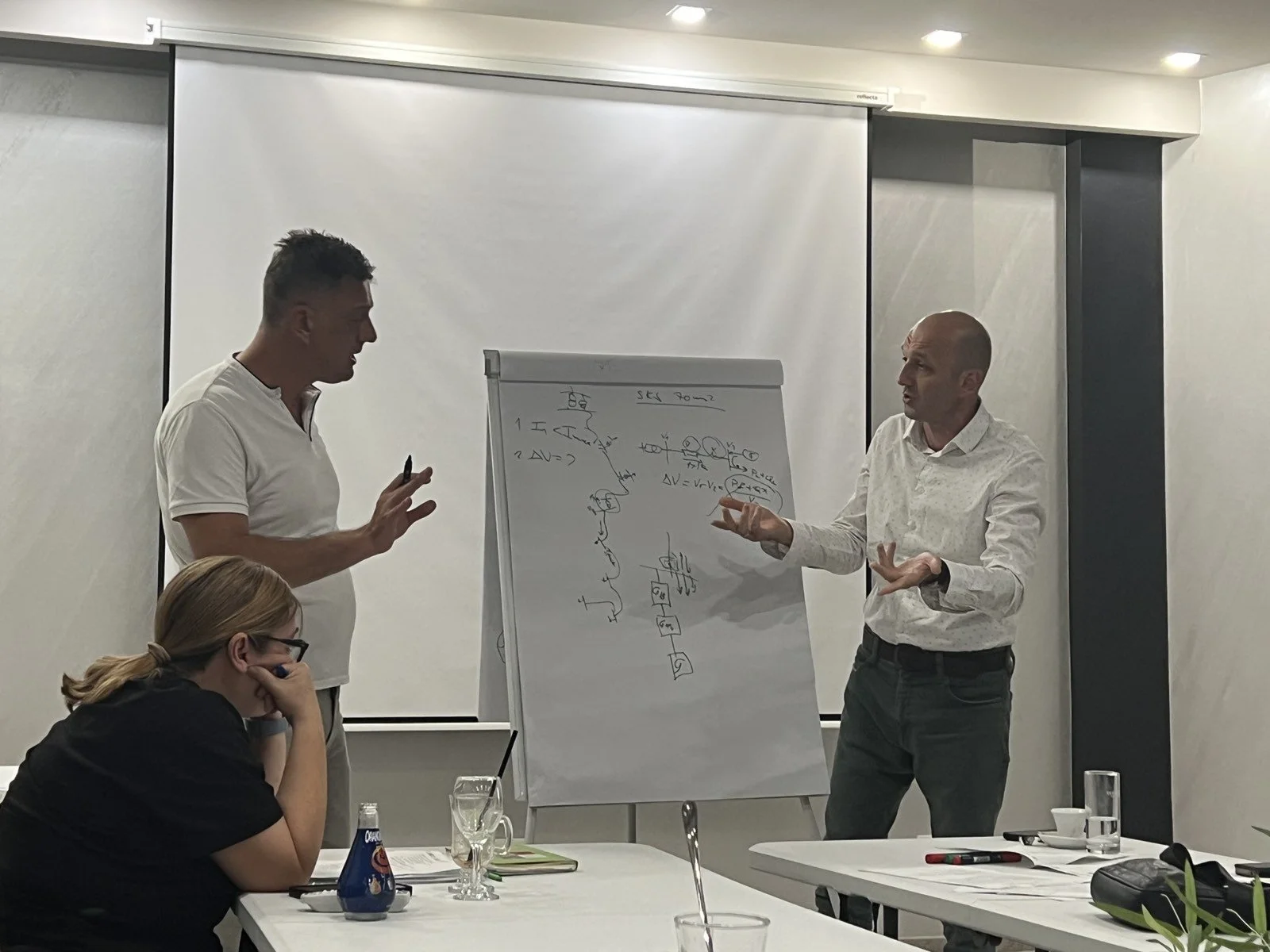
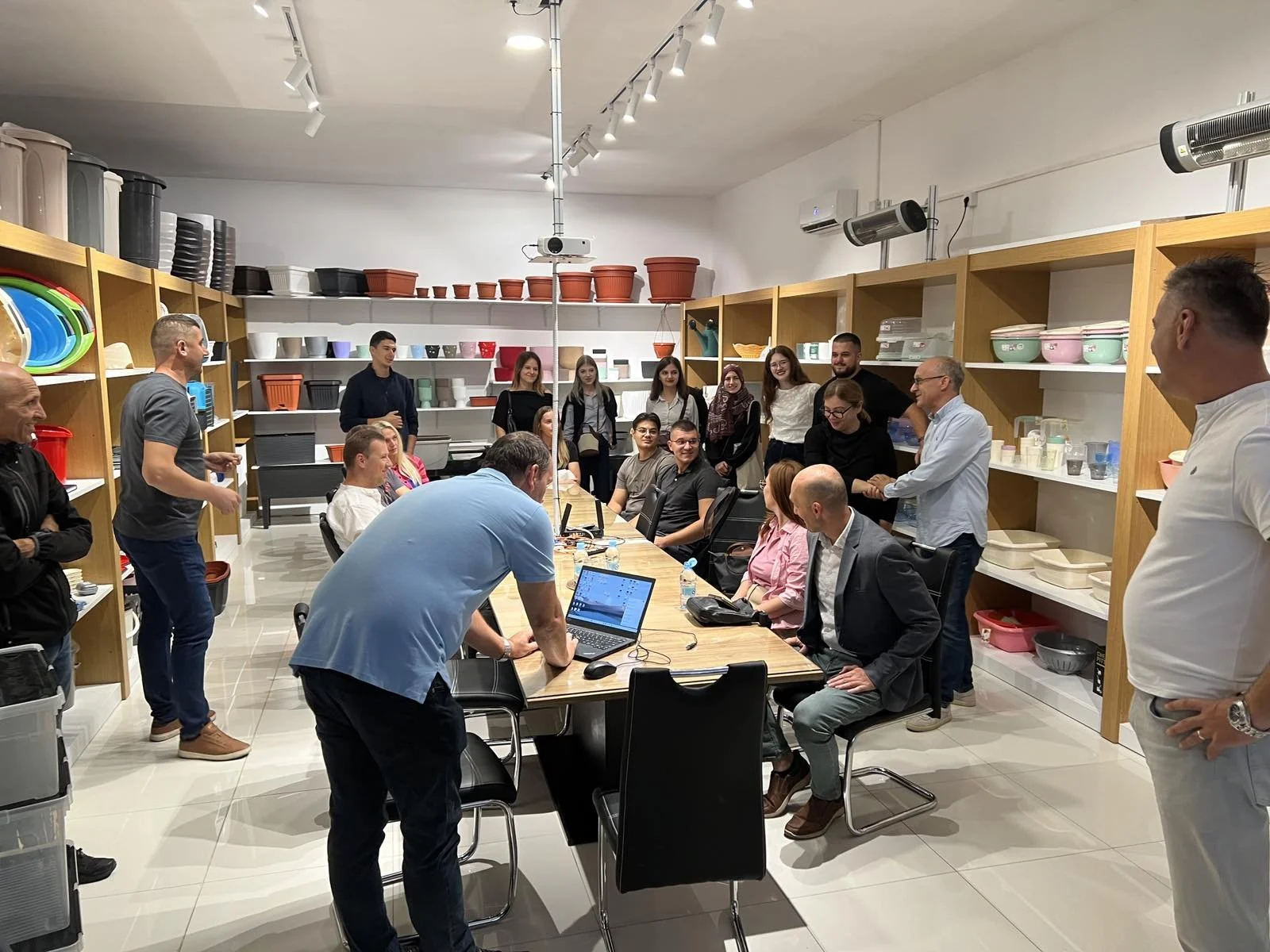
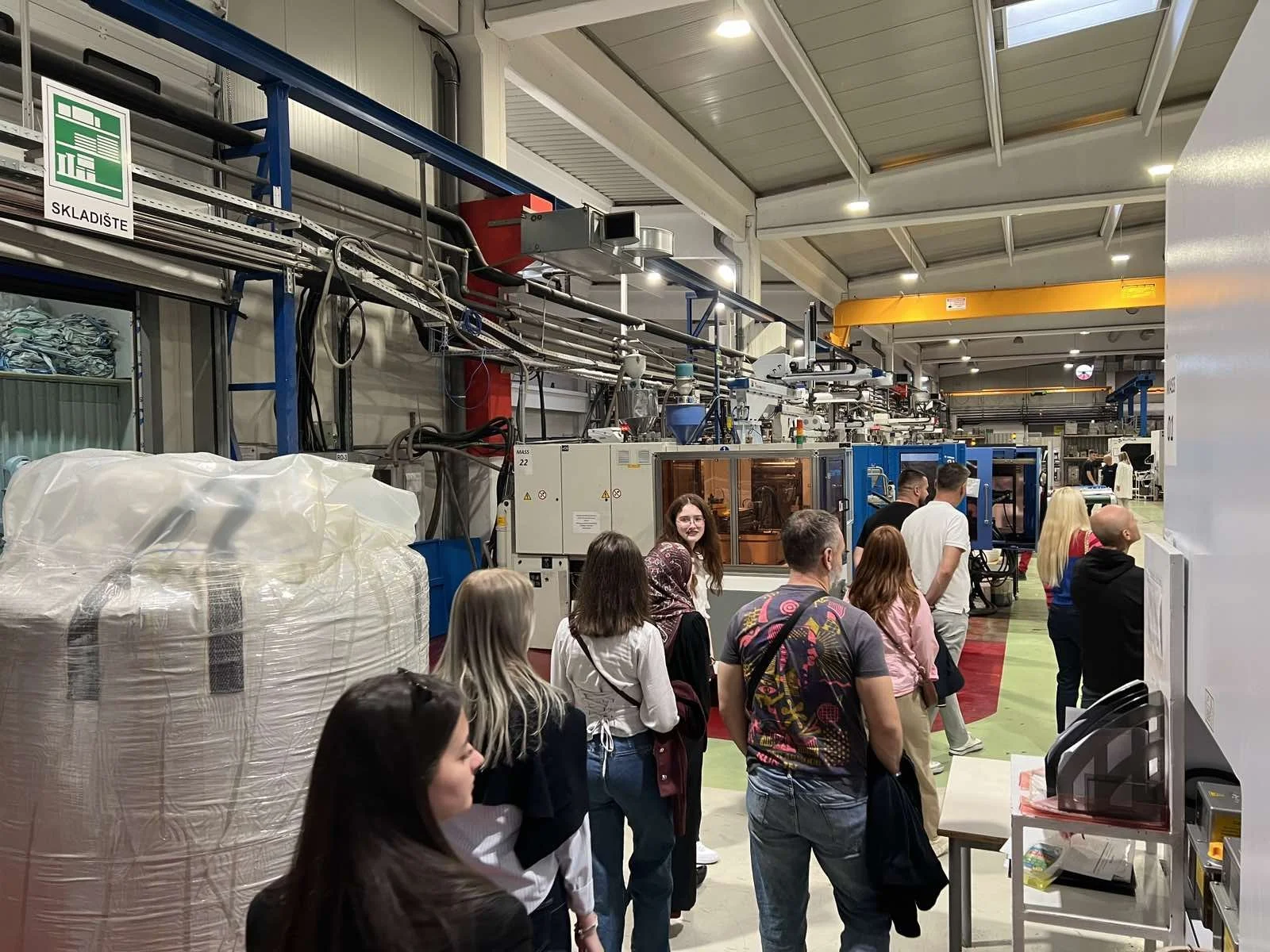
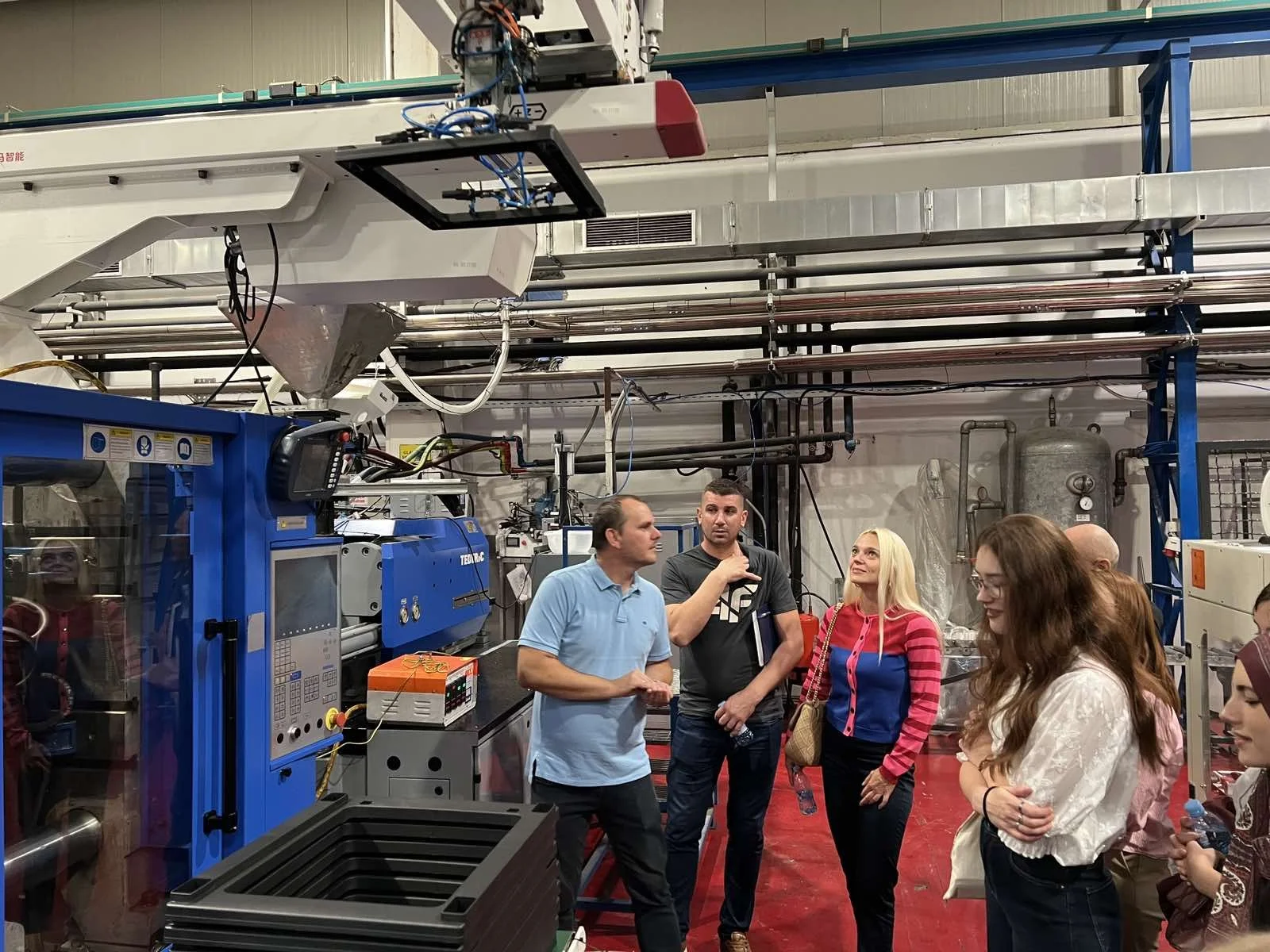
A visit to Plastoflex offered a private-sector perspective, with discussions on production energy efficiency, renewable energy use, resource and waste management, and the economic case for green technology investment. Participants also looked at the role of electricity grids and digitalisation in electrification, both essential for integrating more renewable energy and enabling new models of production and consumption.
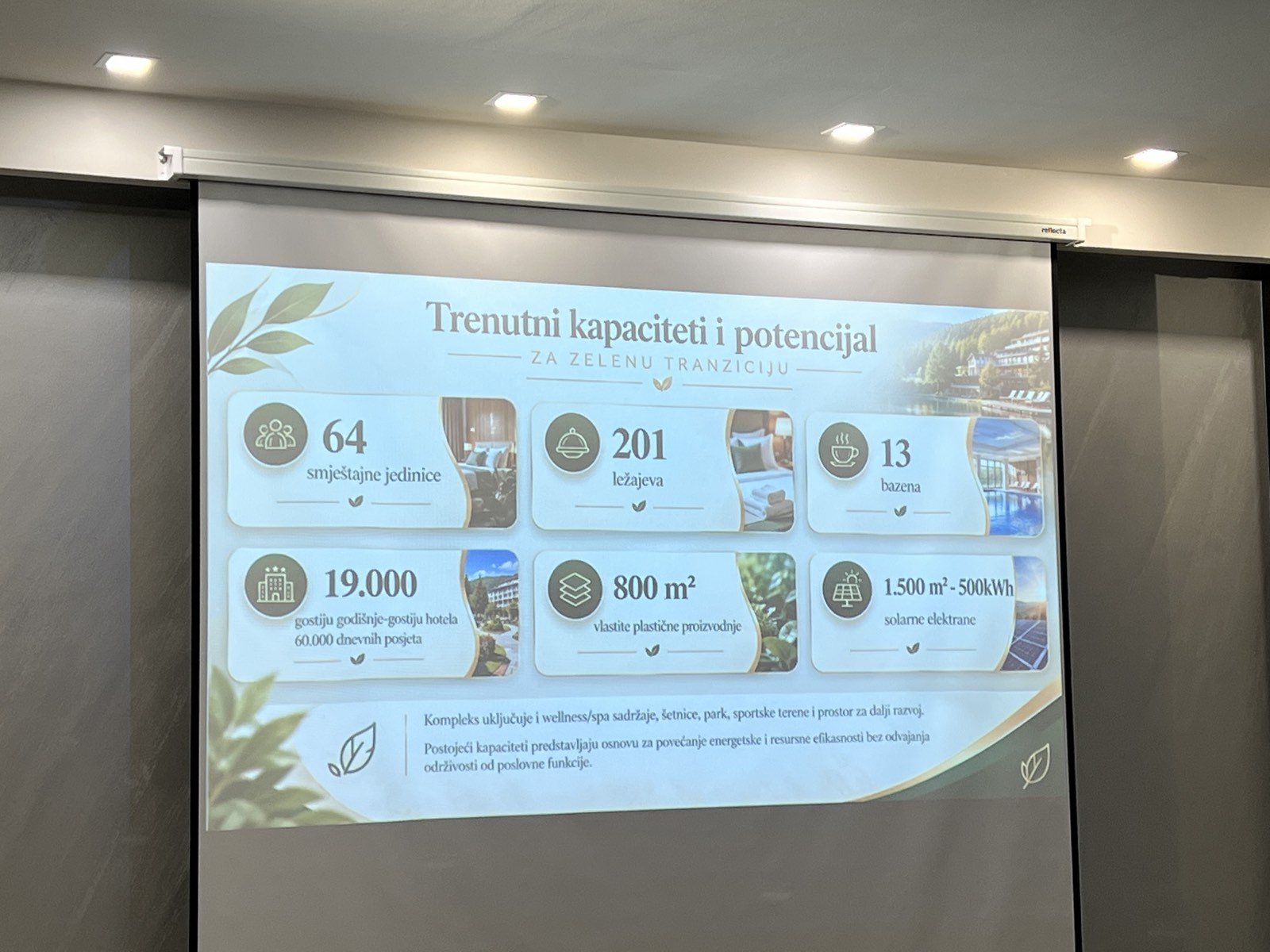
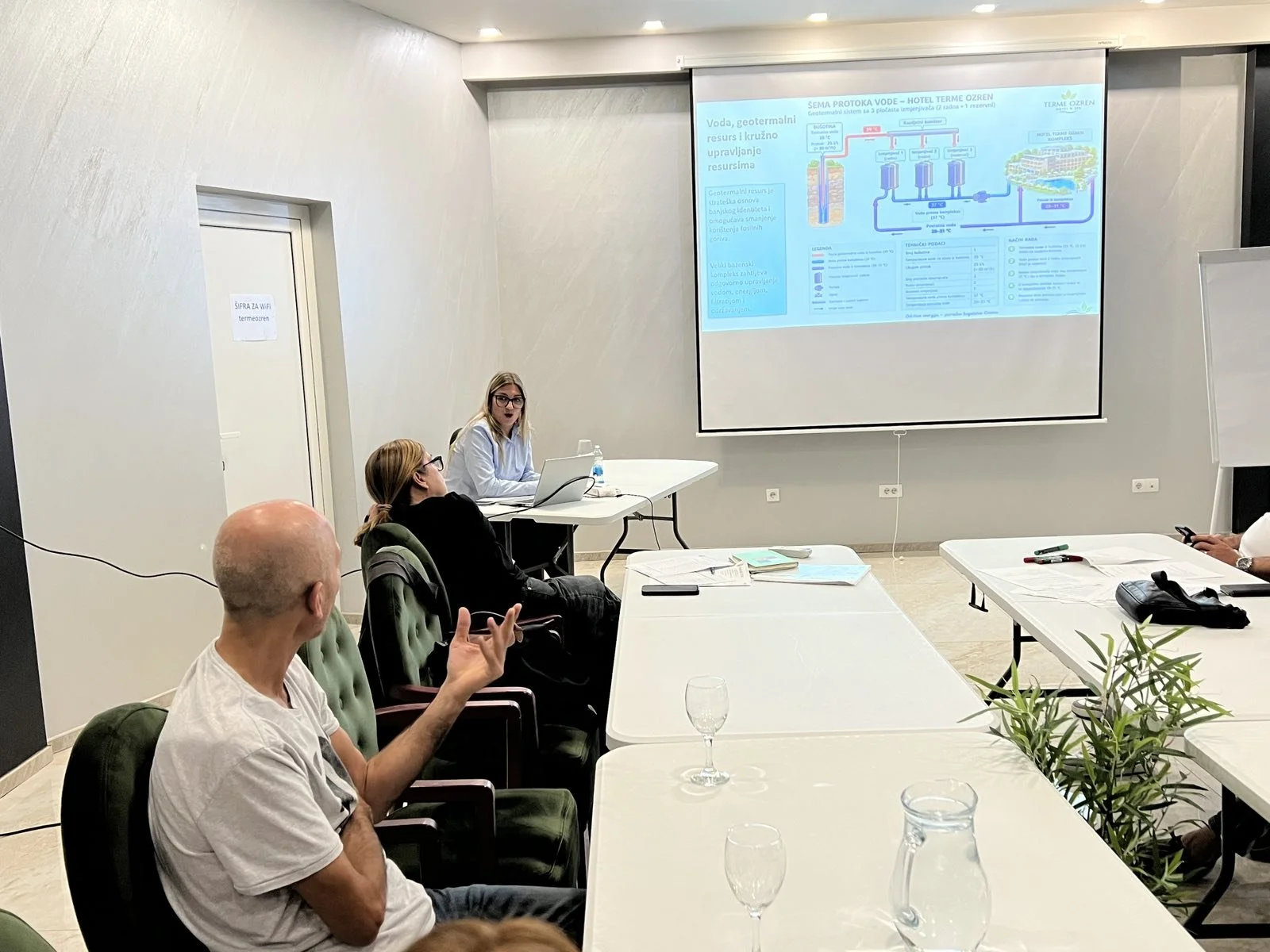
Hotel Terme Ozren, the School's host venue, served as a further case study: through a presentation and tour of its energy systems, participants saw how renewable and energy-efficient solutions can be built into tourism, from heating and cooling to consumption management.
The people behind the transition
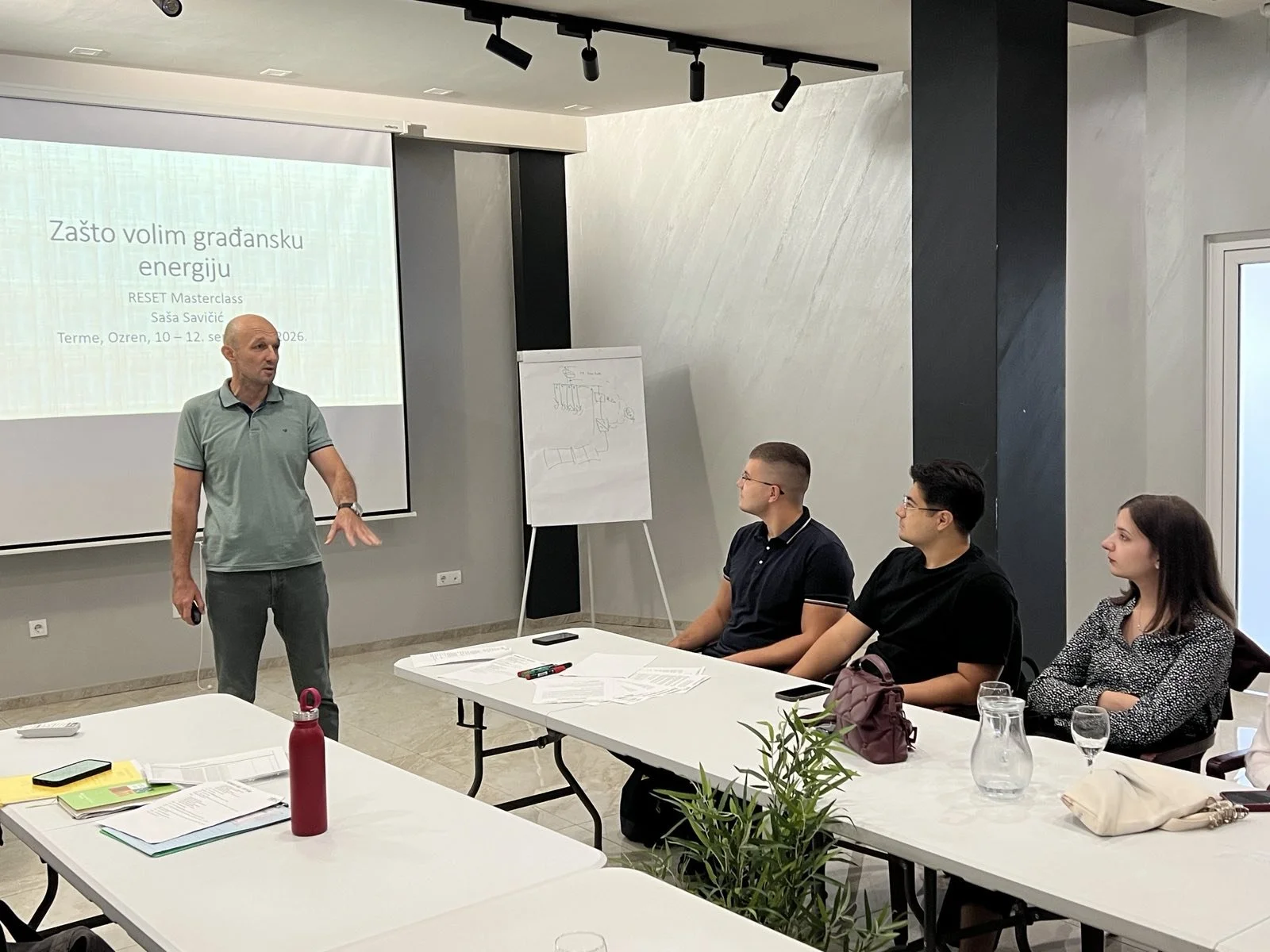
The final day's RESET Masterclass turned to the actors of the transition, exploring citizen energy, the regulatory framework for energy communities in Bosnia and Herzegovina, existing barriers and the role young people and local initiatives can play. The example of Lopare's prosumer school, the first of its kind in the country, showed that the transition can start within public institutions and become an educational tool for younger generations.
The School closed with a joint reflection on lessons drawn from Krk, Niš, Križevci and Gračanica, and a discussion on what participants can bring back to their own communities and how the cooperation can continue.
A transition built locally
The three-day programme reinforced a simple point: the energy transition isn't an abstract process reserved for national governments and large energy companies. It's already happening locally, through decisions made by municipalities, schools, businesses, civil society organisations and citizens. Connecting these experiences and making them visible can help turn individual examples into a broader, more inclusive transition across the region.