EUKICON26 in Berlin: Partnerships, Progress, and the Most Concrete Project in the Room
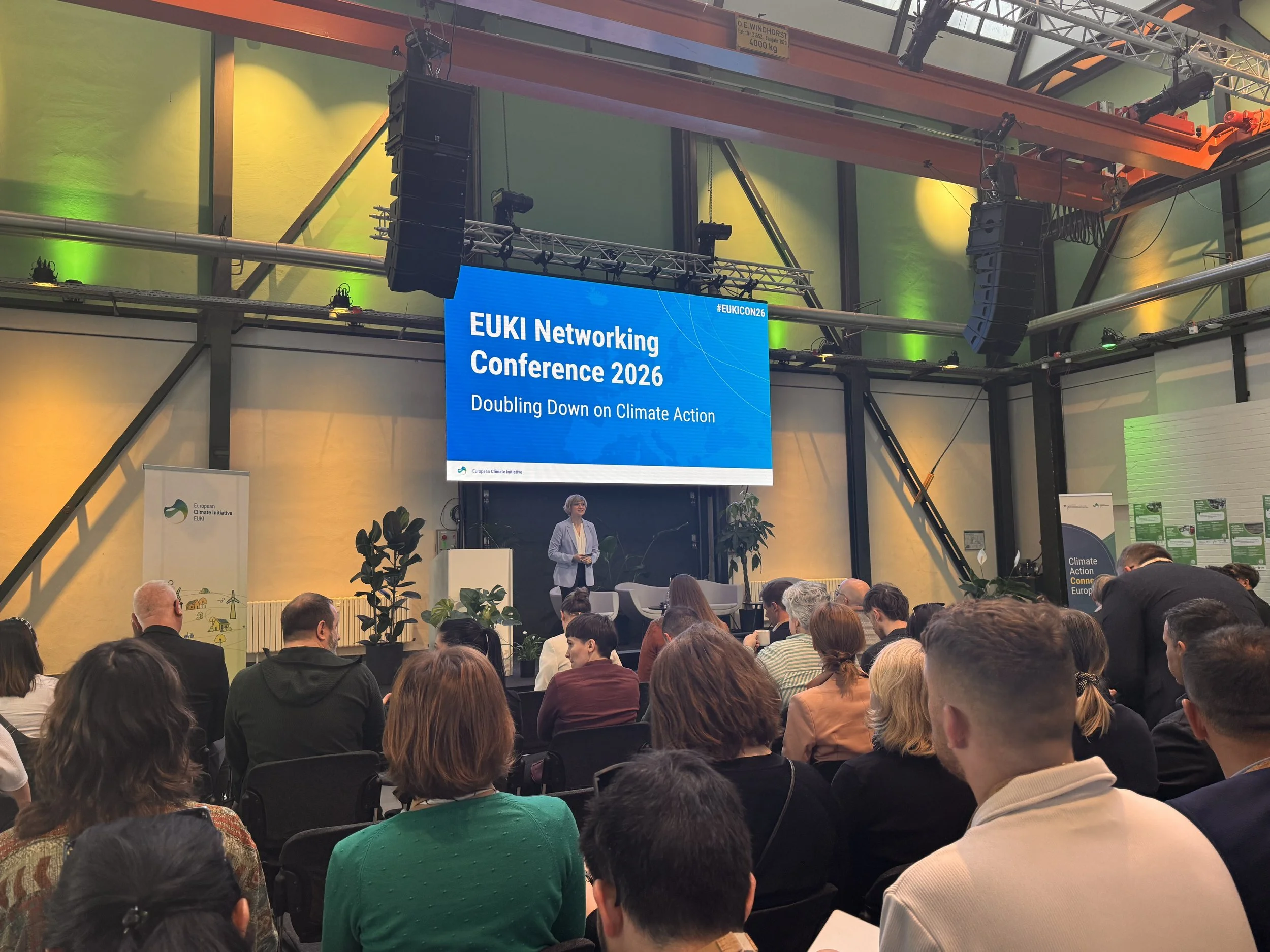
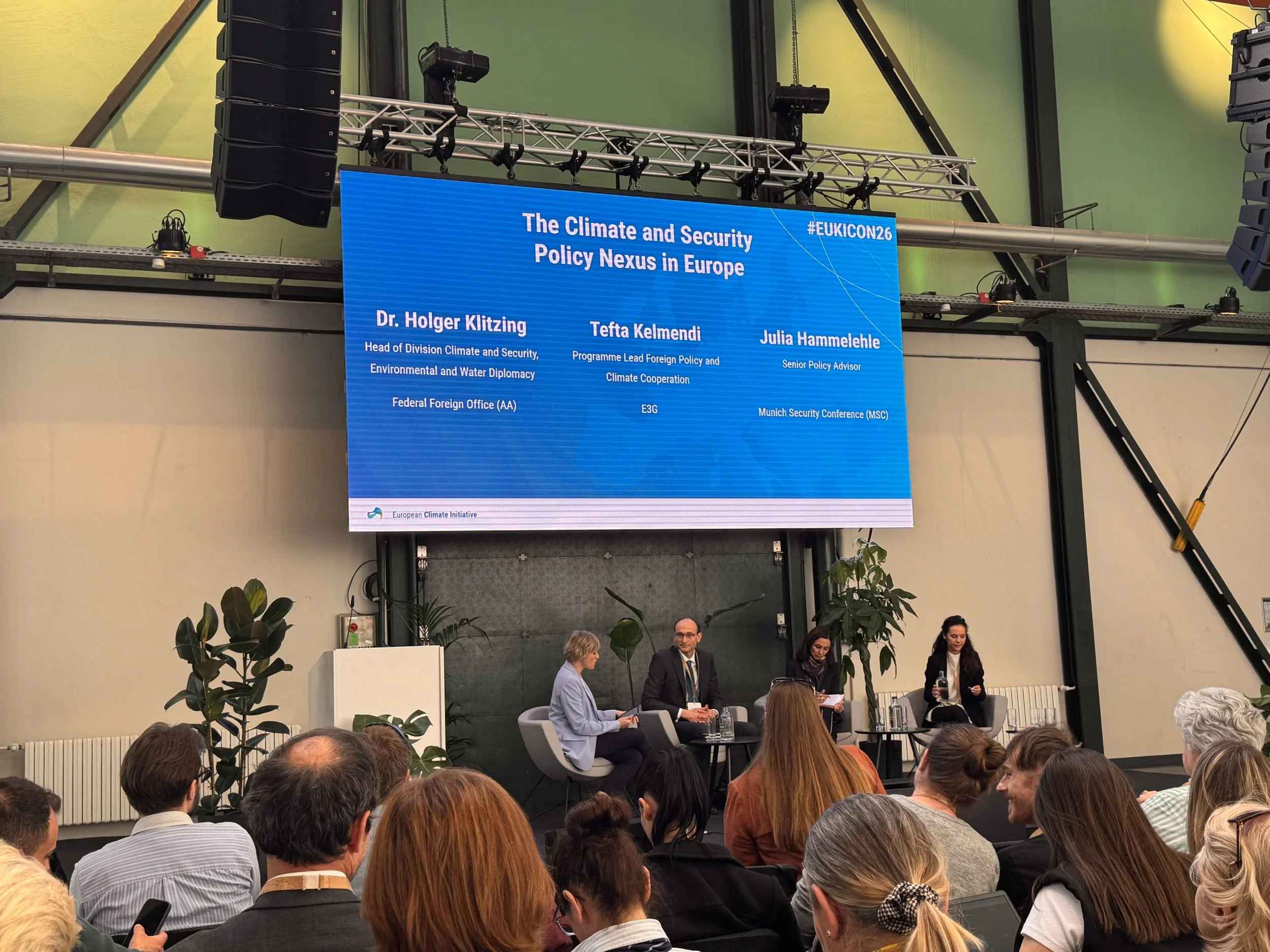
Berlin, May 2026. - EUKICON26, the sixth networking conference of the European Climate Initiative (EUKI), took place on 19–20 May at the EUREF Campus in Berlin. Under the theme "Doubling Down on Climate Action", the conference brought together around 180 participants from 111 organizations across 24 European countries - experts, practitioners, and policymakers, for two days of dialogue on European climate policy, resilience, and the path to a sovereign, competitive net-zero economy.
At a time of growing urgency and a shifting geopolitical landscape, the sessions explored everything from keeping climate ambitions alive under political pressure to anchoring decarbonisation in a strategically autonomous Europe. Valuable conversations, all of them. But if we are being completely honest the best part of Berlin was the networking. :)
Coordination on the ground
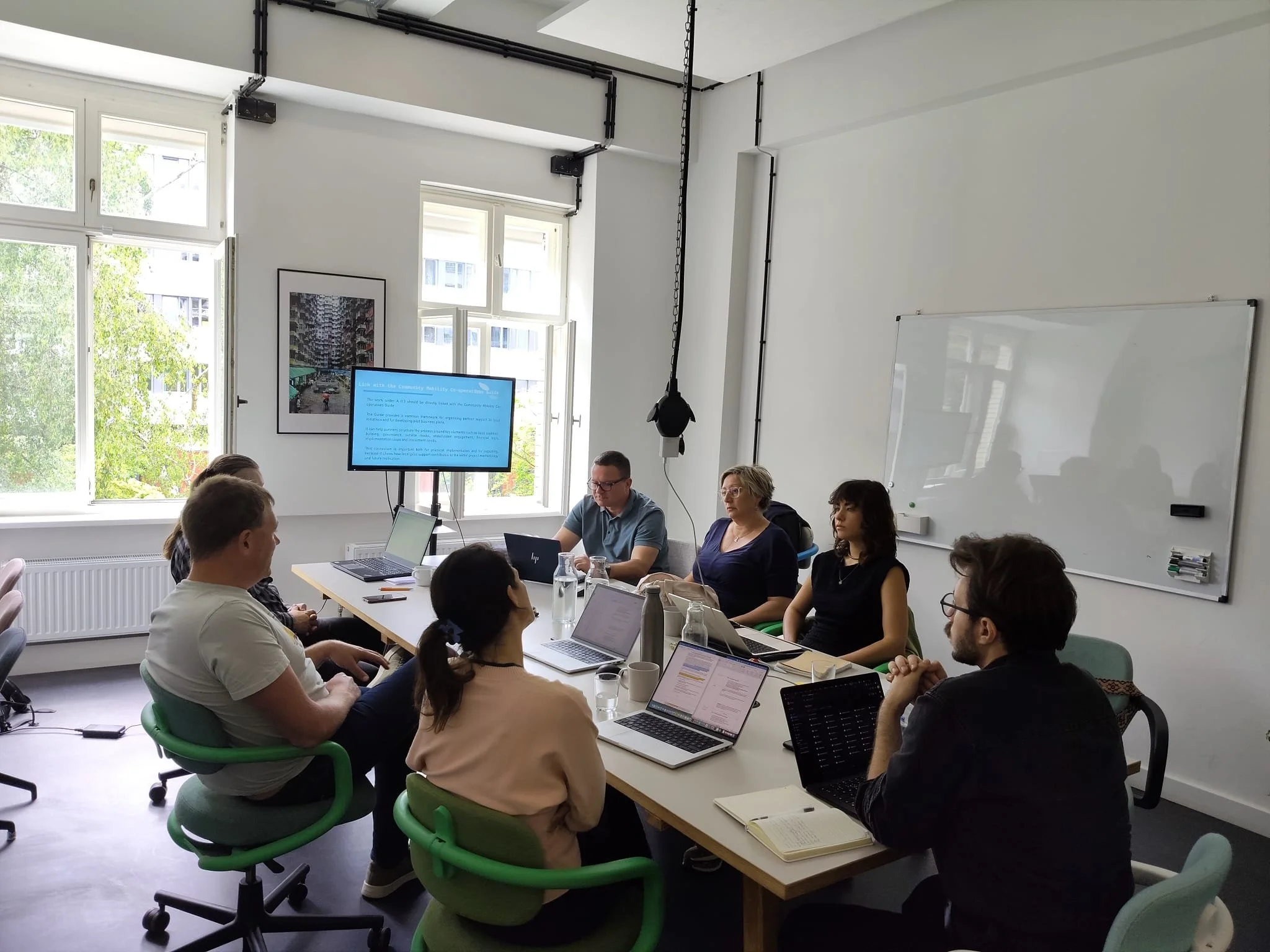
On the sidelines of the conference, our team used the occasion for a working meeting with project partners Smart Up, Korimako, and OER. We exchanged updates and reviewed the current status of the Community Mobility Cooperatives founding process, a project that is taking shape with increasing clarity. Some progress is simply easier to discuss in person than over email, and Berlin gave us exactly that space.
Building regional connections
Beyond our project partners, PET connected with organisations and professionals from across the region working on related themes: local mobility, cooperative models, and energy transition. Ideas for regionalising activities and potential future collaborations are now on the table.
The most concrete project in the room
We follow many initiatives in this space across Europe, and we can say with confidence: our project stands out in its concreteness. The reason is straightforward - alongside knowledge transfer and process support, local initiatives receive technical assistance and equipment. That is not a minor detail. It is the difference between an idea that stays on paper and a cooperative that actually starts operating.
We expect the full process, from founding to activating the cooperative and developing a sustainable business model that supports and promotes e-mobility, to become a replicable example for the wider region.
E-Čivija: from principles to chargers in Šabac
One of the clearest illustrations of this approach is E-Čivija, an initiative from Šabac with which we are now entering a concrete phase of business model planning. In cooperation with the local taxi drivers' association and delivery services, E-Čivija will enable fleet charging, raise awareness of e-mobility, and put cooperative principles into practice. The goal is not simply a functional charging setup - it is a sustainable, transferable model that other local initiatives can learn from and build on.
Berlin was a good test: when you talk about what you do, and you have E-Čivija to point to, the conversation shifts.