Electric Future - PET Gathering in Kragujevac
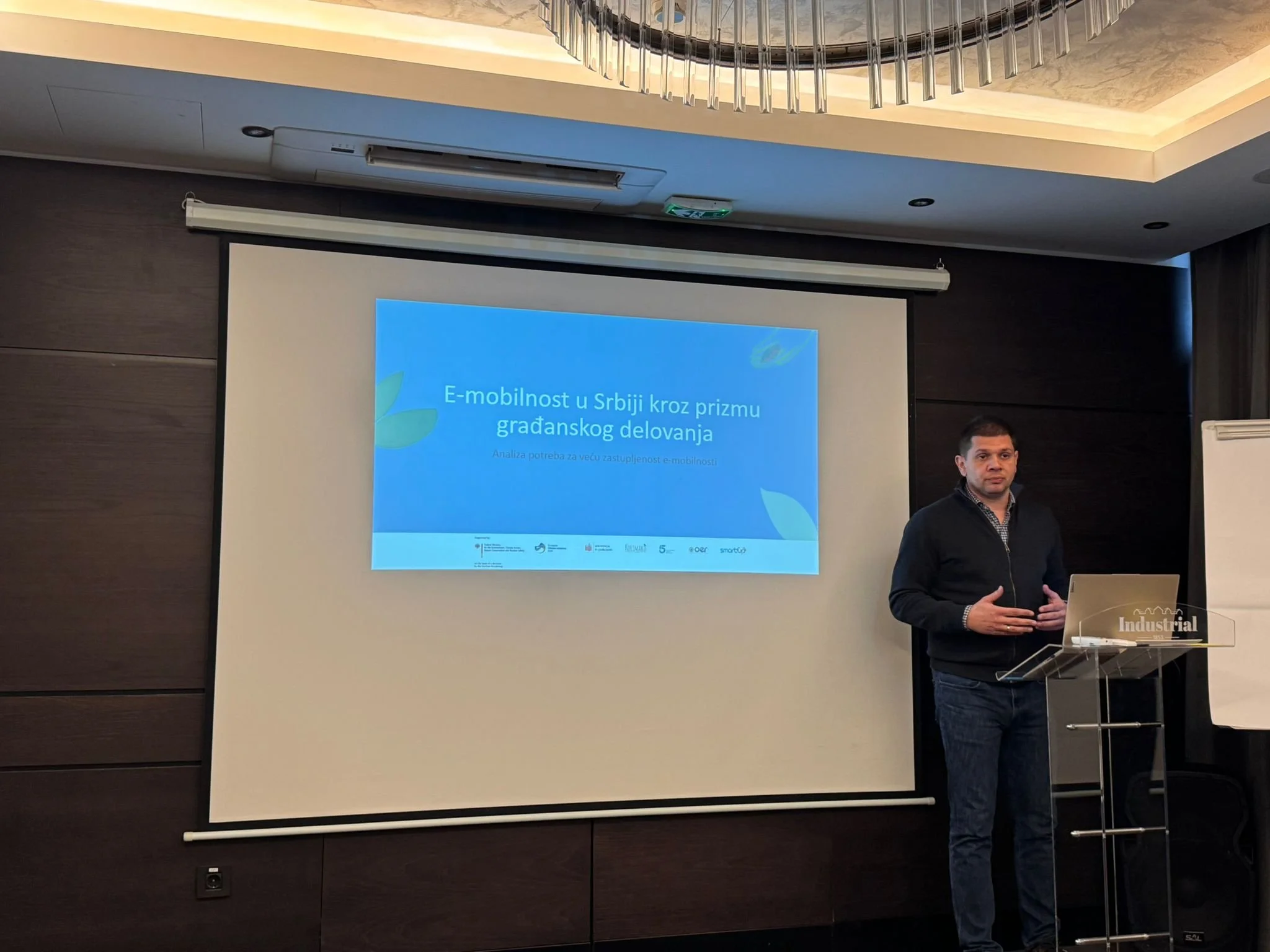
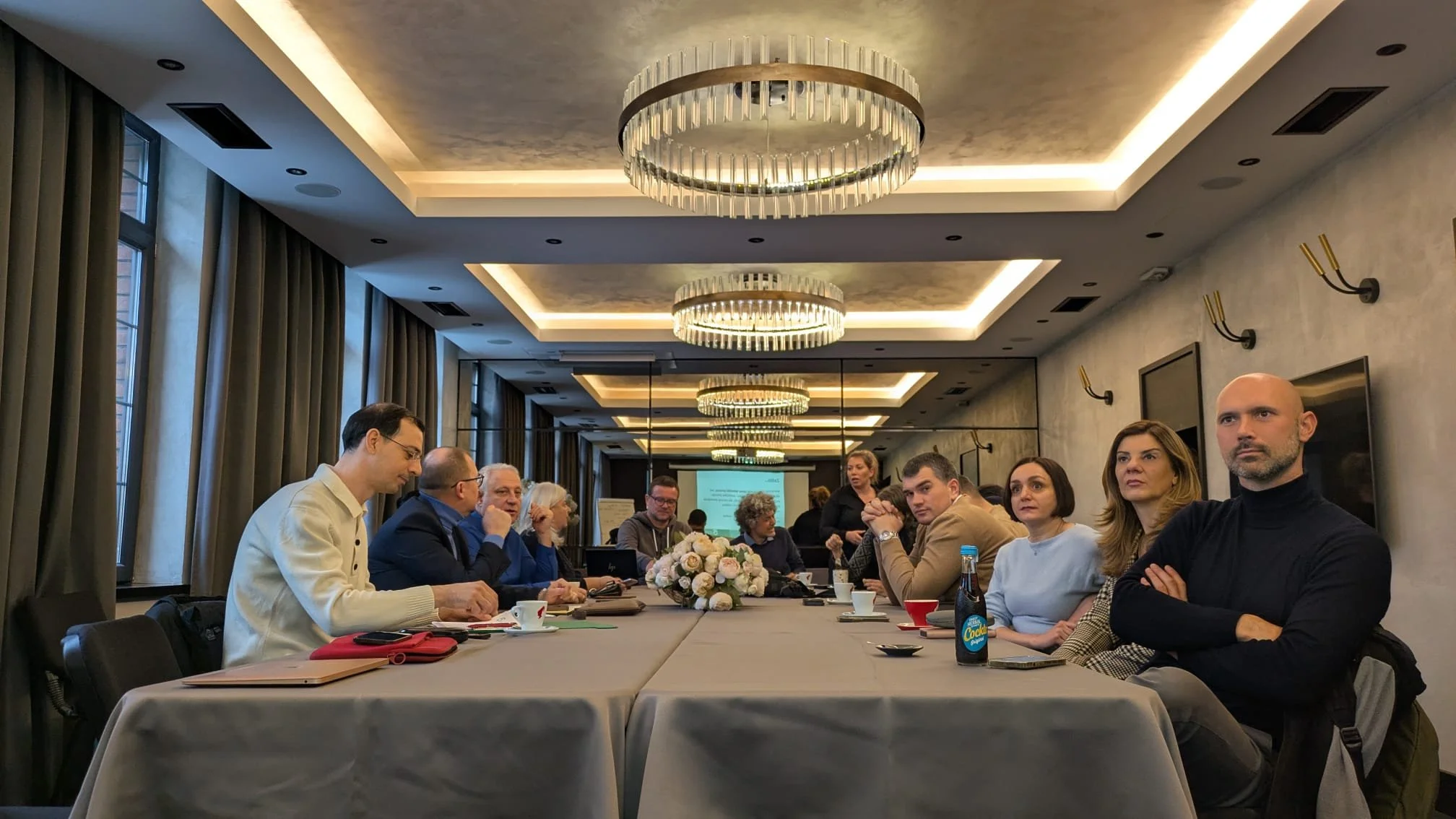
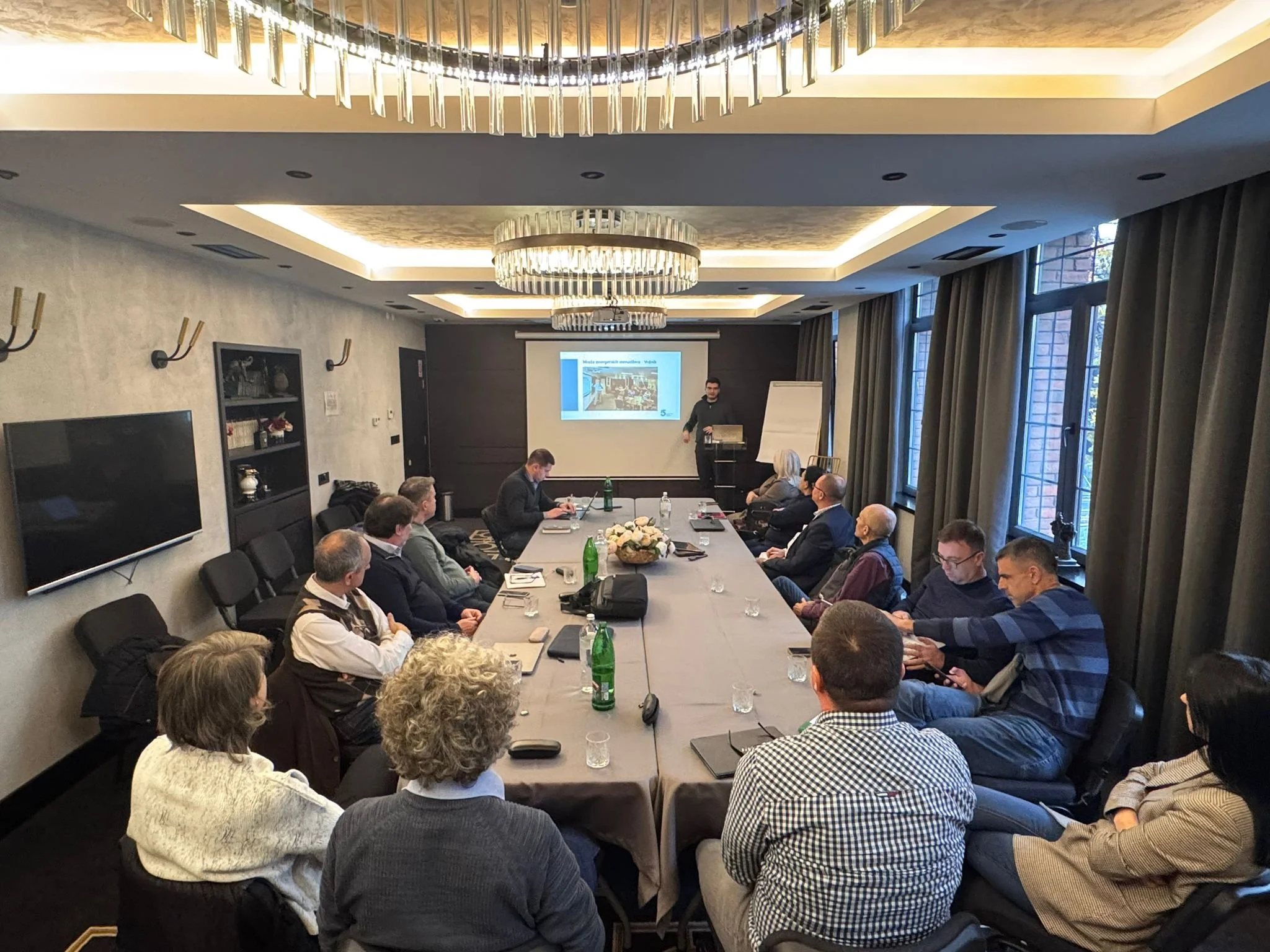
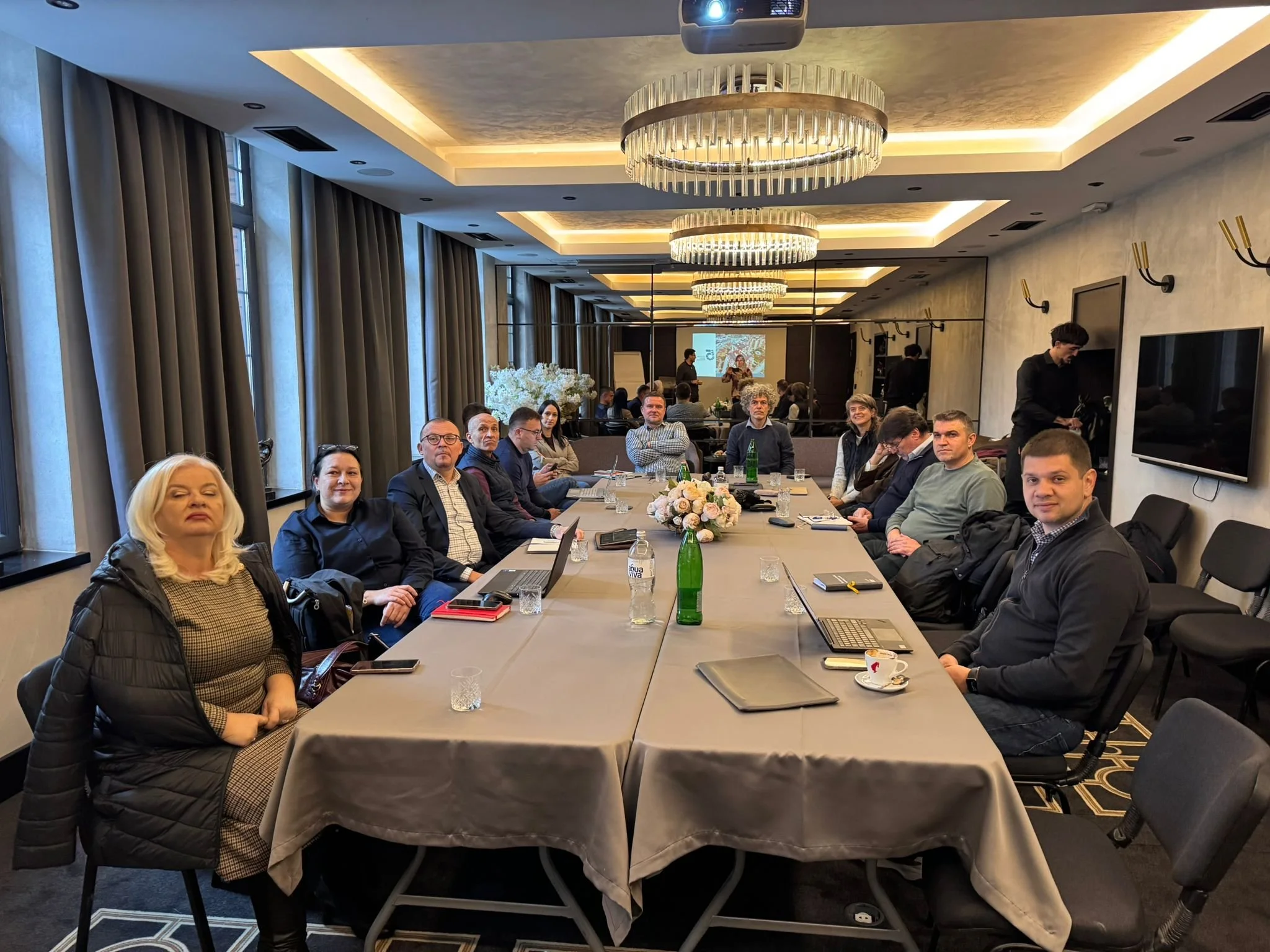
PET recently gathered leaders, activists, and experts in Kragujevac for an event dedicated to the development of e-mobility in Serbia through the lens of citizen action. The two-day meeting was held within the scope of the Community Mobility Cooperatives Project.
E-Mobility in Serbia - Challenges and Strategic Opportunity
The first day of the gathering featured a lecture and discussion, with participation from EV expert Andrija Petrušić. The discussion highlighted the multiple advantages of Electric Vehicles (EVs), such as zero local emissions of pollutants (CO2, NOX, particles) during driving and the significantly higher efficiency of electric motors (87–91%) compared to internal combustion engines (16–25%).
However, the key challenges hindering mass adoption were also emphasized:
Underdeveloped charging infrastructure, especially in rural regions and smaller cities.
Range anxiety remains a psychological barrier, despite the actual range (200-400 km) often drastically exceeding average daily needs (40-60 km).
The higher initial price of EVs compared to equivalent fossil fuel vehicles.
The relevance of charging EVs with electricity from coal, which currently accounts for 61-67% of Serbia's energy production. However, it was noted that centralized power production is more efficient and better controlled for emissions than individual combustion engines, and the energy mix is shifting towards renewables.
Ultimately, the development of e-mobility is a strategic chance for Serbia to reduce fuel import dependency, improve air quality, and boost the domestic industry. The cooperative model was positioned as a key solution to address infrastructure gaps and ensure a fairer, more socially driven mobility system for underserved areas.
Kragujevac as an Epicenter of the Electric Future
On the second day, participants visited the Stellantis factory and museum in Kragujevac. This visit provided insight into the electric vehicle production process and underlined the strategic importance of the facility for the future of e-mobility in Serbia.
The factory is expected to produce the electric models Fiat Grande Panda and the most recent Citroën ë-C3. With a potential maximum annual production of 150,000 units and a state incentive of €5,000 for buyers, the Kragujevac plant confirms Serbia's place on the global automotive map.
This gathering reaffirmed that the shift to e-mobility is a transformative opportunity for Serbia, one that requires not only policy changes but also the active participation of citizens in building a more sustainable and equitable transport system.