MERIT Project: Innovative Methods for Strategic Energy Planning
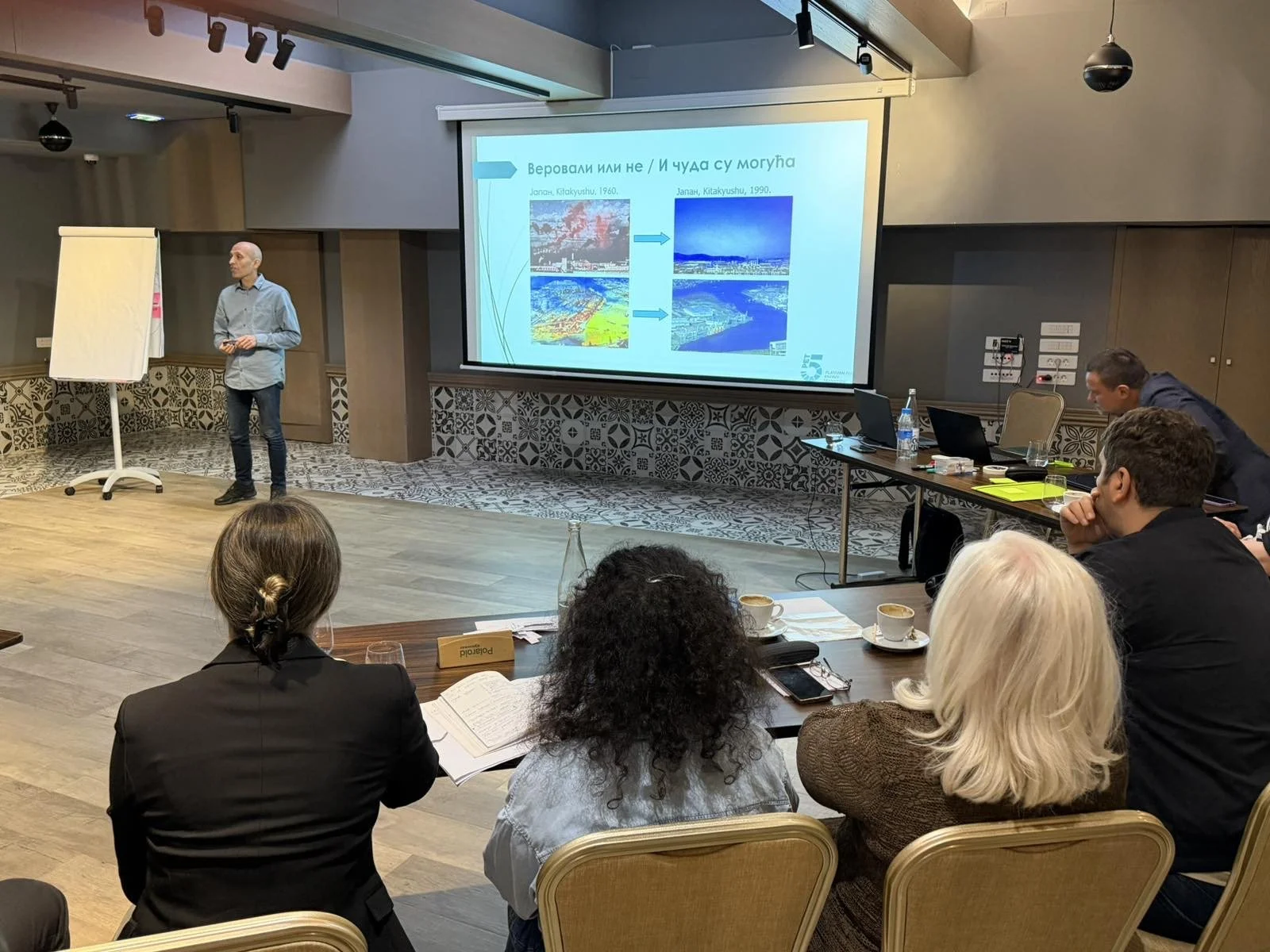
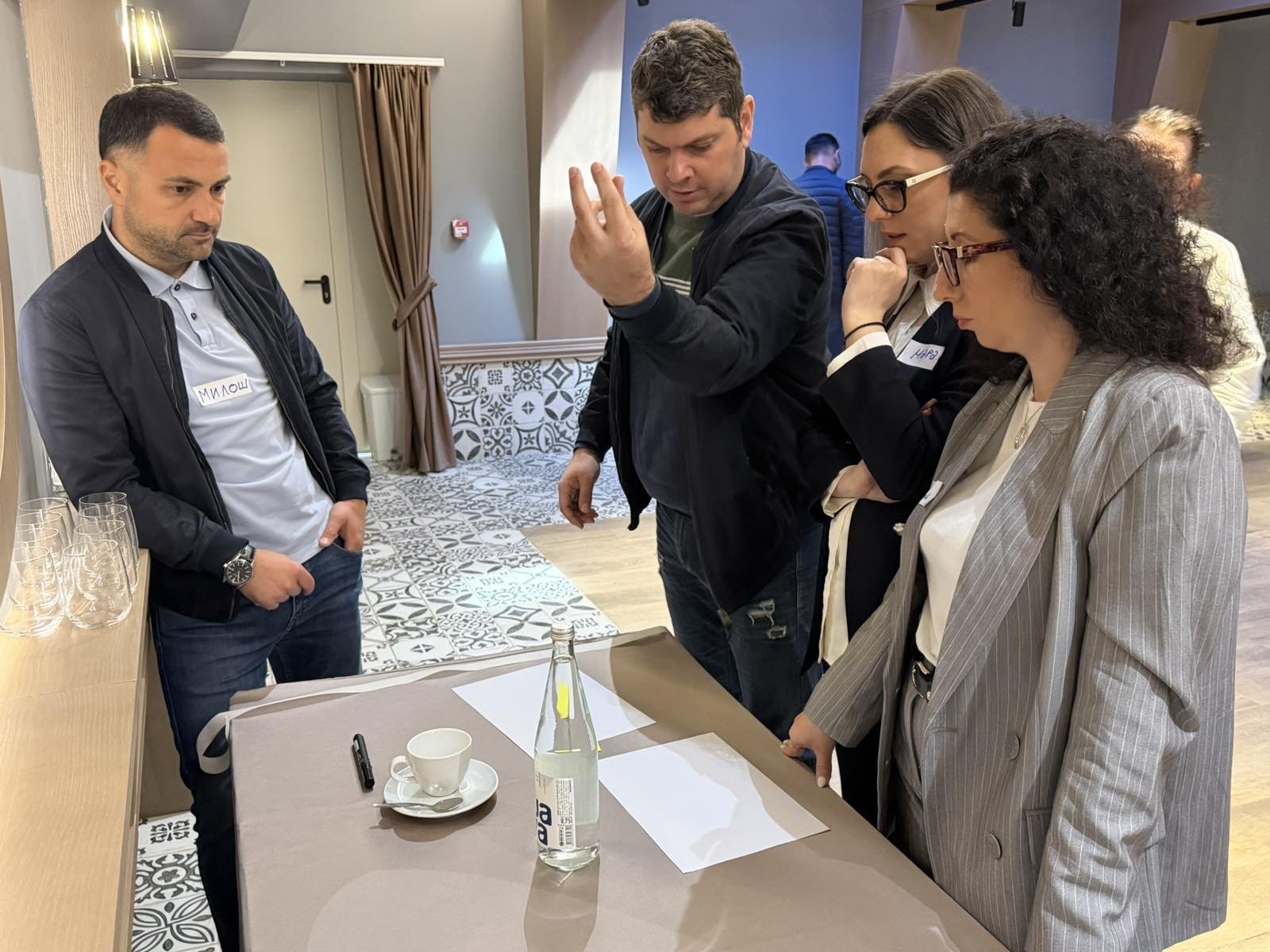
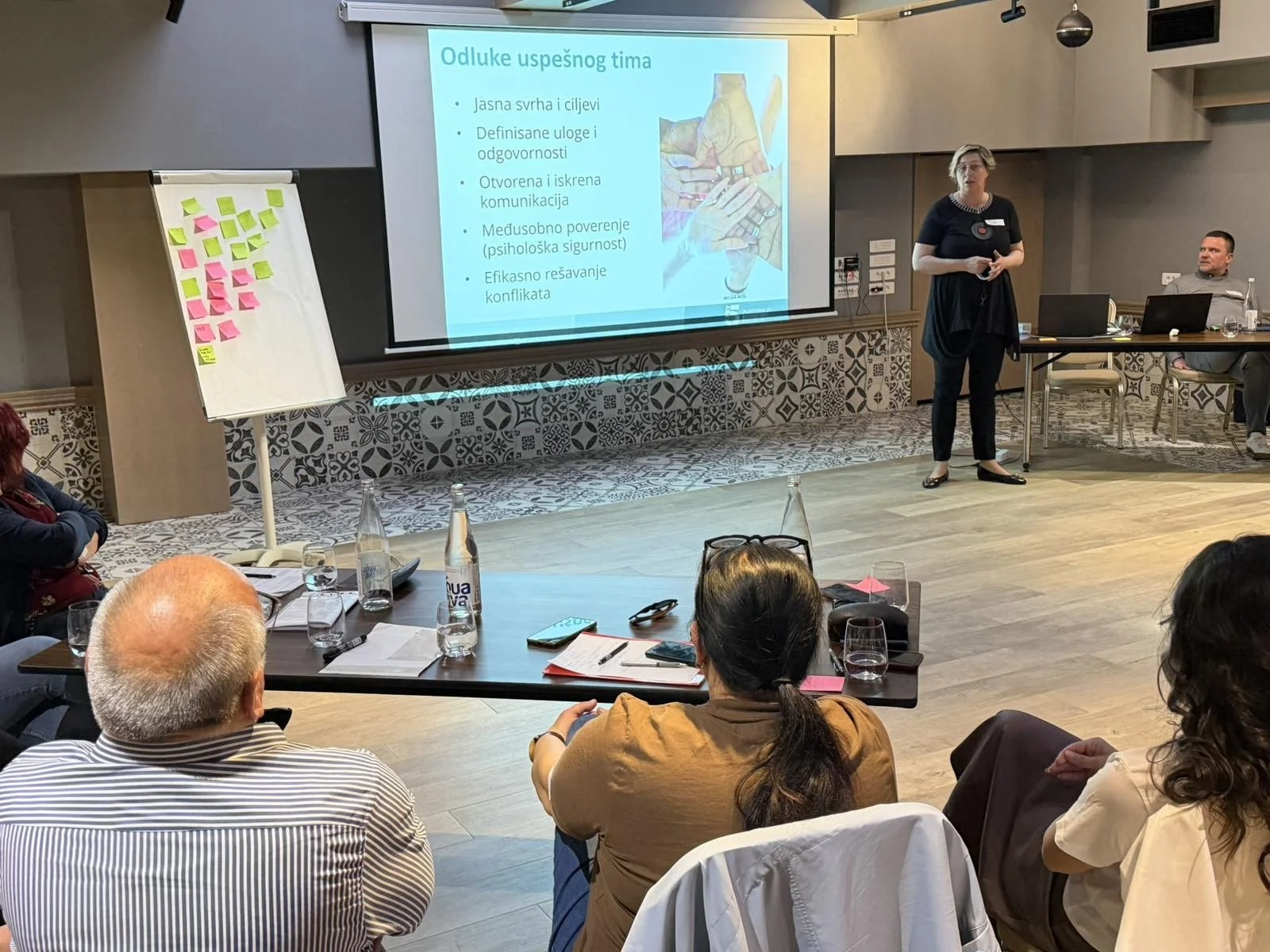
As part of the MERIT Project, supported by the Heinrich Böll Stiftung (HBS), which aims to build public trust and legitimacy through transparent and participatory planning of public policies, a specialized training session on strategic energy and climate planning was held on April 6-7, 2026. The program utilized interactive methodologies, including experiential workshops and decision-making simulations, to equip participants with tools for effective policy management.
Expert Participation
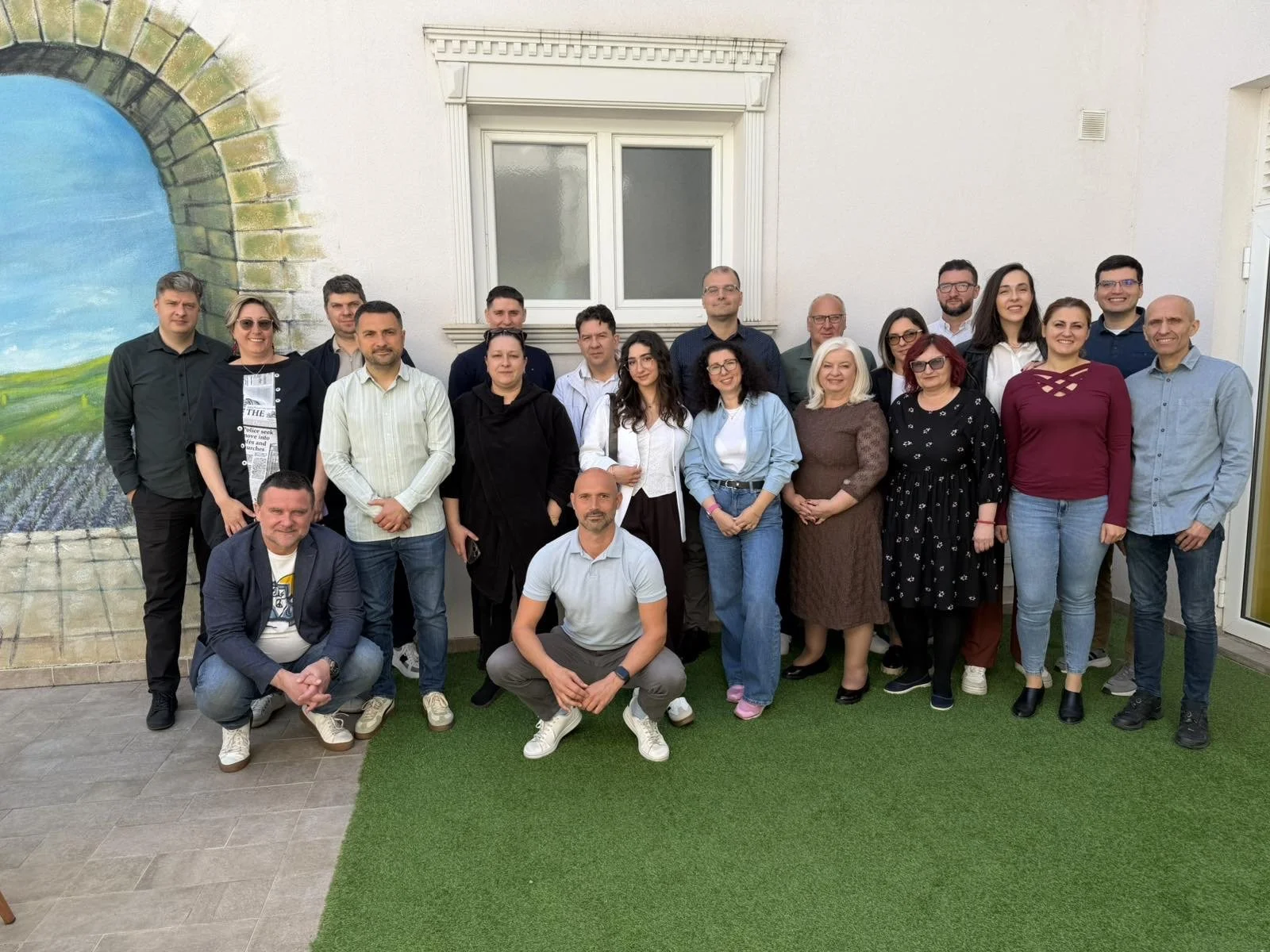
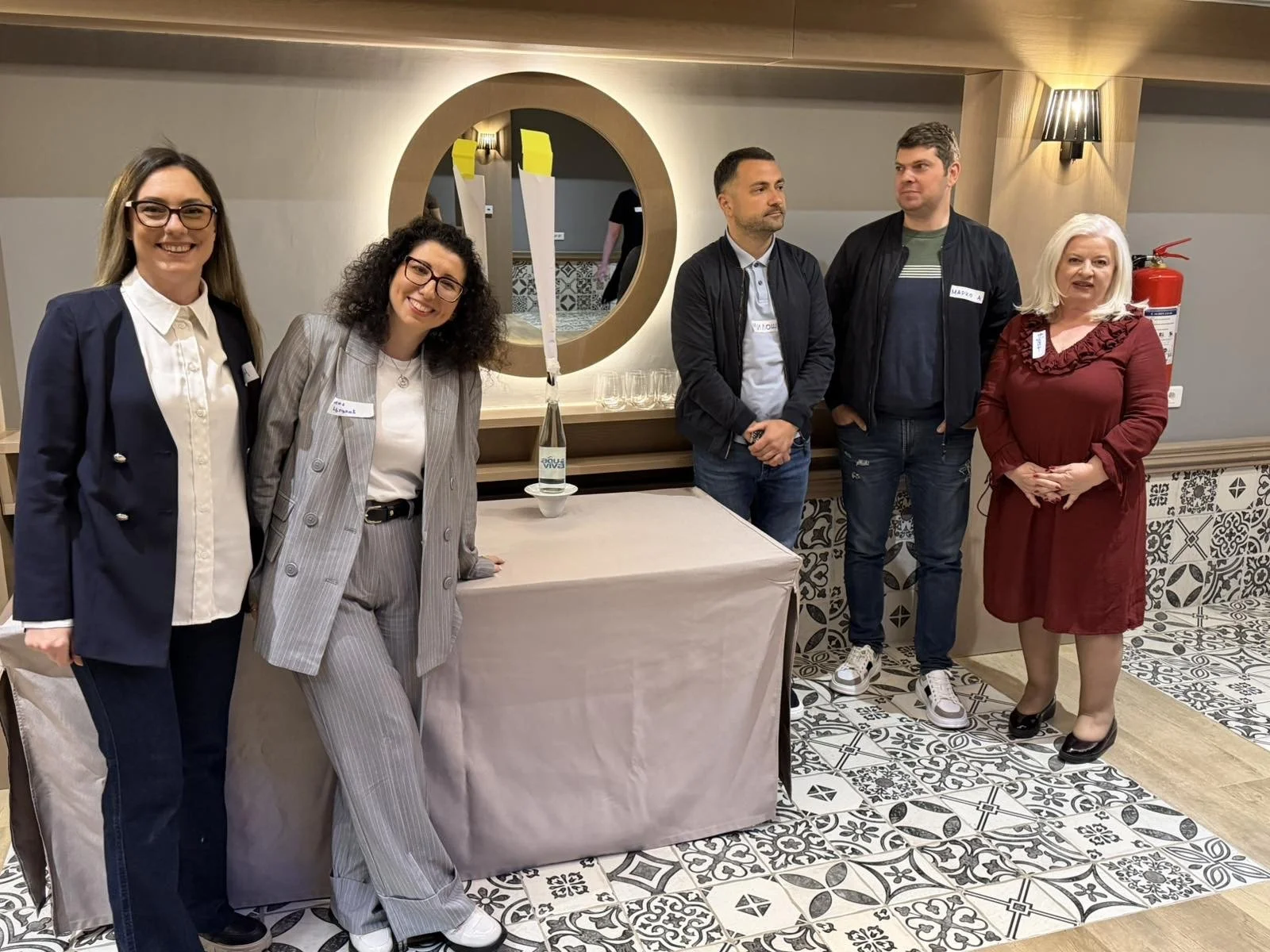
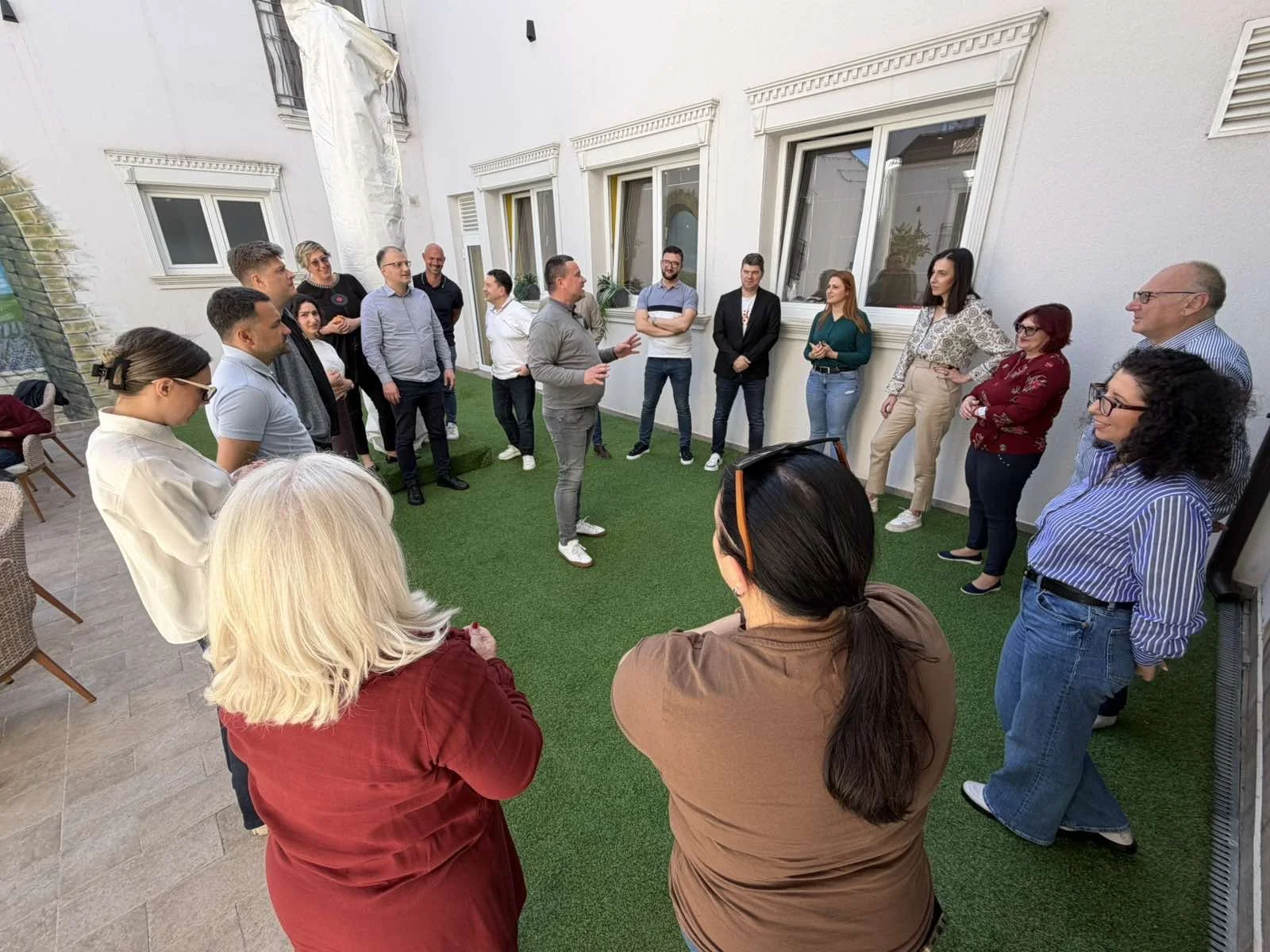
The training brought together a diverse group of 16 key stakeholders, ensuring that the methodology is integrated across different levels of administration. Participants included:
Decision-Makers: The President and Vice President of the municipality, along with municipal councilors.
Administrative Leadership: The Head of Administration and specialized administrative staff.
Operational Oversight: Communal inspectors involved in the practical implementation of local policies.
Methodological Innovation
The training focused on "out of the box" thinking and practical tools applicable to public administration. Key highlights included:
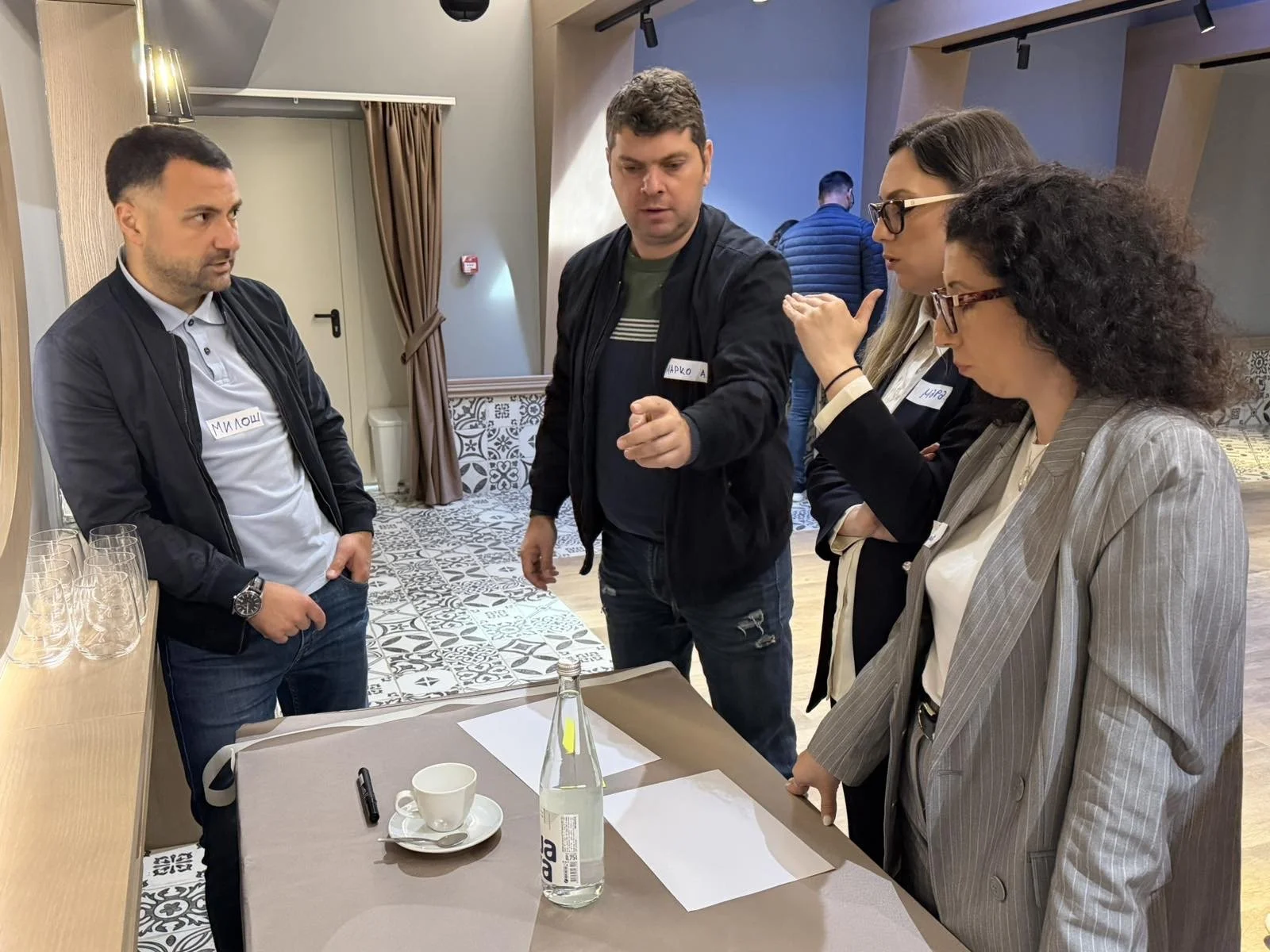
Interactive Workshops: Focused on experiential learning to move beyond daily administrative routines.
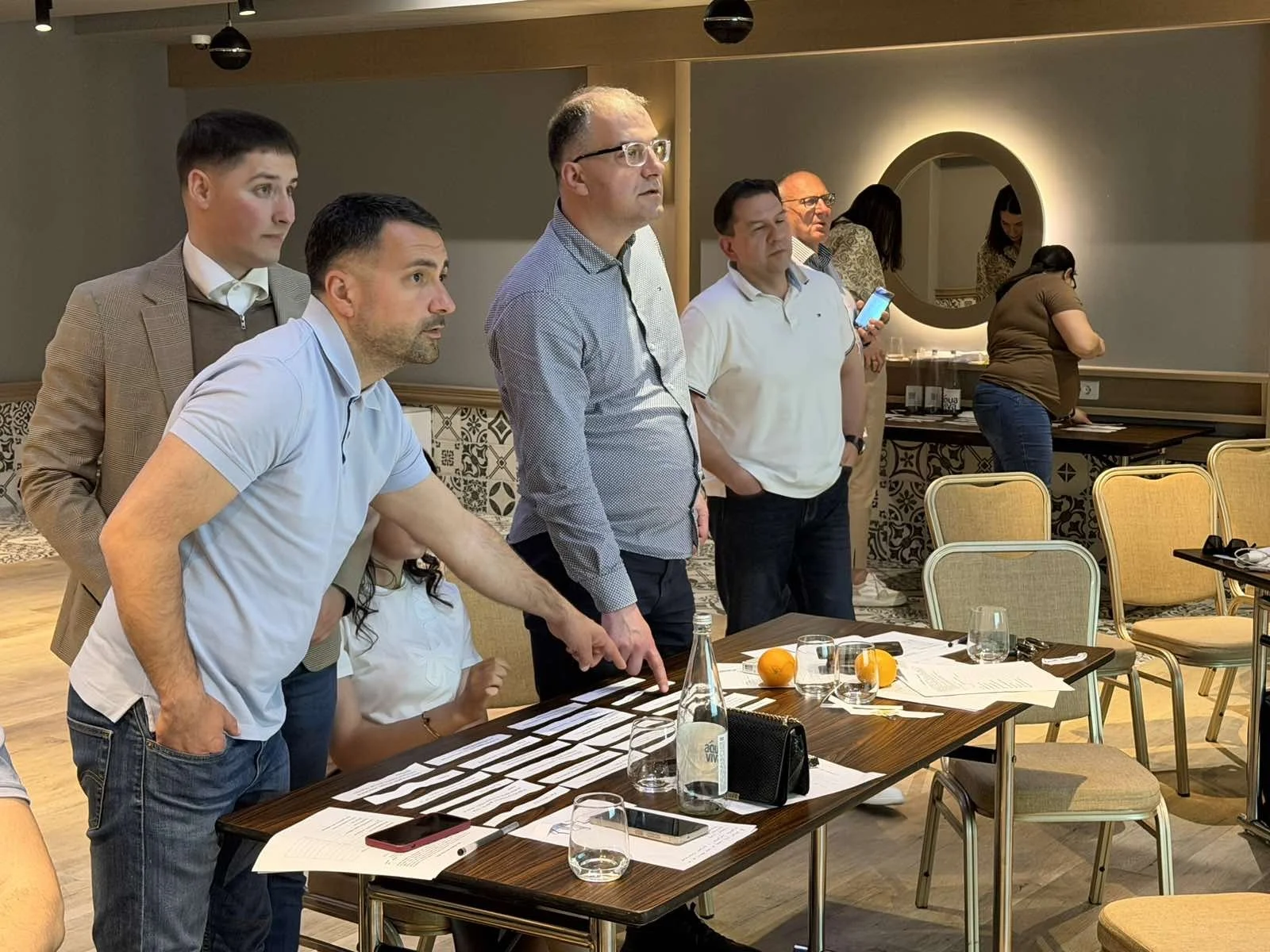
Simulation Exercises: Used tools like the "NASA" game and the "Orange" exercise to analyze information flow and collective decision-making.
Strategic Frameworks: Participants explored the technical differences and advantages of Sustainable Energy and Climate Action Plans (SECAP) versus strategic Roadmaps.
Key Takeaways & Policy Impact
The session emphasized that energy and climate policies are powerful levers for local development. The core messages included:
Strategic Influence: Local entities can drive change through initiatives, expert opinions on public utility programs, and implementing local energy renovation projects.
Socio-Economic Integration: Energy policies directly impact municipal budgets, public health, and social stability, specifically regarding heating costs for citizens.
The Voice of Citizens
The highlight of the methodological shift presented during the training is the introduction of systemic citizen participation. Participants were trained to utilize three types of communication channels: traditional (citizen assemblies), digital (e-surveys), and participatory (focus groups and workshops).
The Next Step: As a significant precedent in Serbian public policy planning, the project will now move toward designing and conducting public opinion research on a representative sample. This ensures that local priorities are mapped based on objective data and the actual needs, attitudes, and opinions of citizens, providing full legitimacy to future action plans.